America’s Car Culture Is Facing a Shocking New Threat as Arizona Builds a Neighborhood Where Cars Are No Longer Welcome

For more than a century, the automobile has been at the center of American life. Cities have been designed around highways, suburban neighborhoods have depended on personal vehicles, and owning a car has long been viewed as a symbol of independence and freedom. But in the heart of Arizona, a groundbreaking residential development is challenging that tradition by proving that an American neighborhood can thrive without private cars.
Located in Tempe, Arizona, the community known as Culdesac is the first purpose-built, car-free neighborhood of its kind in the United States. Rather than constructing homes with garages and parking lots, developers have designed the entire community around walking, cycling, public transportation, and shared mobility services. The project has become one of the country’s most closely watched urban planning experiments, with supporters calling it the future of sustainable living and critics questioning whether such communities can work on a large scale.
A Neighborhood Designed Without Private Cars
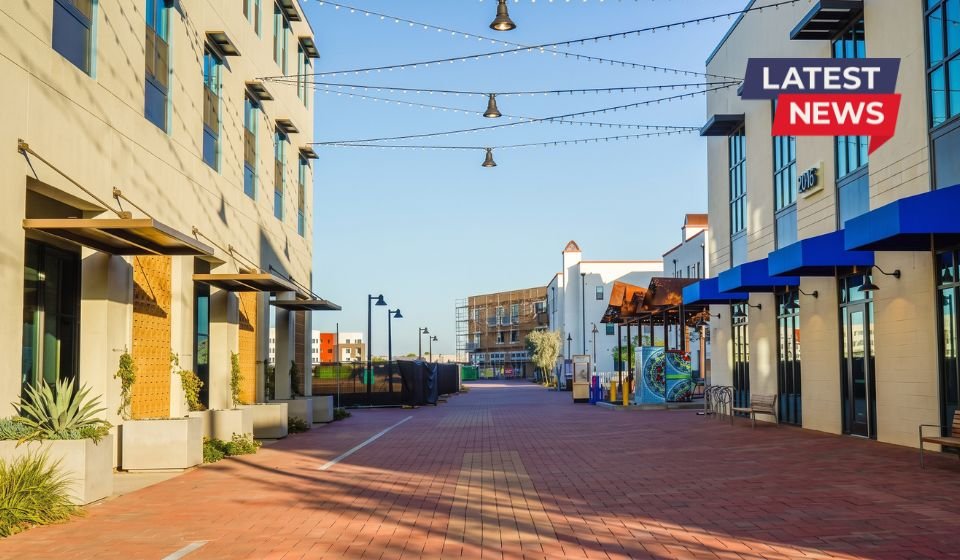
Unlike traditional housing developments, Culdesac was intentionally planned so residents do not own or park private vehicles inside the community. Streets normally filled with automobiles have instead been replaced by pedestrian walkways, landscaped courtyards, shaded pathways, bicycle routes, and gathering spaces.
The development occupies approximately 16 acres in Tempe, just outside Phoenix, and is expected to accommodate roughly 1,000 residents once fully completed. The neighborhood will eventually include hundreds of apartment units alongside restaurants, retail shops, offices, recreational facilities, and public plazas.
Why Arizona Was Chosen
At first glance, Arizona may seem like an unlikely location for America’s first modern car-free neighborhood. The Phoenix metropolitan area is widely recognized as one of the most automobile-dependent regions in the country, where long commutes and sprawling suburbs make car ownership appear almost essential.
Developers intentionally selected Tempe because it already possessed several advantages that support alternative transportation. The neighborhood sits next to the Valley Metro light rail system, giving residents direct access to downtown Phoenix, Arizona State University, Phoenix Sky Harbor International Airport, and other destinations without requiring personal vehicles. Residents also receive unlimited public transit passes, making buses and light rail part of everyday life.
Easy Access to Public Transportation
Instead of encouraging residents to purchase vehicles, the community encourages a combination of transportation options. These include:
- Walking
- Bicycles
- Electric bikes
- Electric scooters
- Shared electric vehicles
- Public buses
- Valley Metro light rail
Developers describe this philosophy as being “mobility rich” rather than simply banning cars. Residents still have transportation choices, but those choices do not revolve around owning a private automobile.
How the Neighborhood Works
Daily necessities are intentionally located within walking distance. Instead of driving several miles for groceries, coffee, medical appointments, or restaurants, residents can simply walk a few minutes from their apartments.
The community includes numerous amenities such as:
Restaurants and Cafes
Local dining options are integrated directly into the neighborhood, including the James Beard-nominated Mexican restaurant Cocina Chiwas, allowing residents to eat out without driving.
Retail Stores
Residents have access to neighborhood shops, including a Korean convenience market and various locally owned businesses that reduce the need for long shopping trips.
Recreation
The development features a swimming pool, gym, dog park, art studios, bike shop, and public gathering spaces designed to encourage social interaction.
Healthcare
Even medical services have been incorporated into the neighborhood, with a doctor’s office located within walking distance.
The Vision Behind Culdesac
Founder Ryan Johnson has argued that American neighborhoods became centered around automobiles over the last century, even though cities historically developed around people rather than vehicles.
According to Johnson, communities built before the rise of the automobile naturally encouraged walking, social interaction, and local businesses. Culdesac attempts to recreate those characteristics while combining them with modern housing and transportation options.
European Inspiration
Architect Daniel Parolek drew inspiration from historic villages in Greece, Italy, and southern France, where narrow streets, compact neighborhoods, and walkable public spaces encourage residents to travel on foot.
Instead of wide roads and expansive parking lots, Culdesac features winding pedestrian pathways, white buildings that reflect sunlight, closely spaced structures that provide shade, and inviting public plazas that naturally bring neighbors together.
Living Without a Car
Residents interviewed by multiple news organizations describe significant lifestyle changes after moving into Culdesac.
Many report that they no longer spend money on gasoline, vehicle maintenance, insurance, parking, or car payments. Others say they have become physically healthier by walking or cycling daily instead of driving everywhere.
Some residents have also noted that traveling outside a vehicle creates more opportunities to meet neighbors, build friendships, and develop a stronger sense of community. People naturally greet one another while walking or biking in ways that are uncommon when everyone travels inside cars.
Greater Accessibility
One resident, who is legally blind, explained that the absence of constant vehicle traffic makes the neighborhood feel significantly safer and easier to navigate.
Without busy roads running through residential areas, walking becomes less stressful and more accessible for people with mobility or vision challenges.
Designed to Stay Cooler in Extreme Heat
Arizona’s intense summer temperatures presented one of the project’s biggest design challenges.
Instead of covering large portions of land with asphalt parking lots—which absorb and retain enormous amounts of heat—the development emphasizes trees, landscaped areas, and shaded walkways.
Developers estimate that approximately 55% of the neighborhood consists of landscaped space, helping reduce temperatures by roughly 15 degrees Fahrenheit compared with nearby developments. Another study conducted by Harvard researchers found ground surfaces within Culdesac measured approximately 30 to 40 degrees cooler than surrounding paved areas during testing.
Environmental Benefits
Transportation remains one of the largest contributors to greenhouse gas emissions in the United States.
Because Culdesac encourages walking, cycling, and public transportation instead of routine automobile use, supporters believe the development can reduce fuel consumption, traffic congestion, and carbon emissions.
Residents who rely primarily on bicycles or public transit also avoid fluctuating gasoline prices, making household transportation costs more predictable.
Americans May Be More Open to Car-Free Living Than Expected
Although many Americans remain heavily dependent on automobiles, recent research suggests attitudes may be changing.
Arizona State University researchers surveyed car owners across the United States and found that nearly one in five respondents expressed definite interest in living without owning a car, while many more said they would consider doing so under the right circumstances.
Researchers concluded that interest in car-free living extends across many age groups and income levels. However, they also emphasized that most Americans currently lack neighborhoods where living without a car is practical, meaning infrastructure—not public willingness—may be the biggest barrier.
Economic Advantages for Residents
Living without a personal vehicle can significantly reduce monthly expenses.
Residents may avoid costs associated with:
- Car payments
- Fuel
- Insurance
- Repairs
- Routine maintenance
- Registration fees
- Parking expenses
Some residents report replacing multiple vehicle-related costs with bicycles, electric scooters, occasional shared vehicles, and public transportation, resulting in noticeable financial savings.
Critics Say Car-Free Communities Have Limits
Despite growing interest, experts caution that developments like Culdesac cannot immediately replace America’s broader transportation system.
Much of the United States remains characterized by low-density suburbs, long commuting distances, and employment centers located far from residential neighborhoods. Urban planning researchers argue that while car-free communities can succeed in carefully selected locations, broader regional transportation improvements will still be necessary before large numbers of Americans can realistically abandon private vehicles.
Could This Become the Future of American Cities?
The success of Culdesac has already attracted national attention from architects, developers, urban planners, and environmental advocates.
Supporters argue that if similar neighborhoods are built near reliable public transportation systems, Americans could enjoy healthier lifestyles, stronger communities, lower transportation costs, and reduced environmental impacts without sacrificing mobility.
Whether the concept spreads nationwide remains uncertain, but Culdesac has demonstrated that even in one of America’s most car-dependent metropolitan areas, a neighborhood can function successfully without requiring residents to own private vehicles. As cities continue searching for solutions to traffic congestion, housing shortages, rising transportation costs, and climate concerns, Arizona’s ambitious experiment may offer an influential blueprint for future urban development.