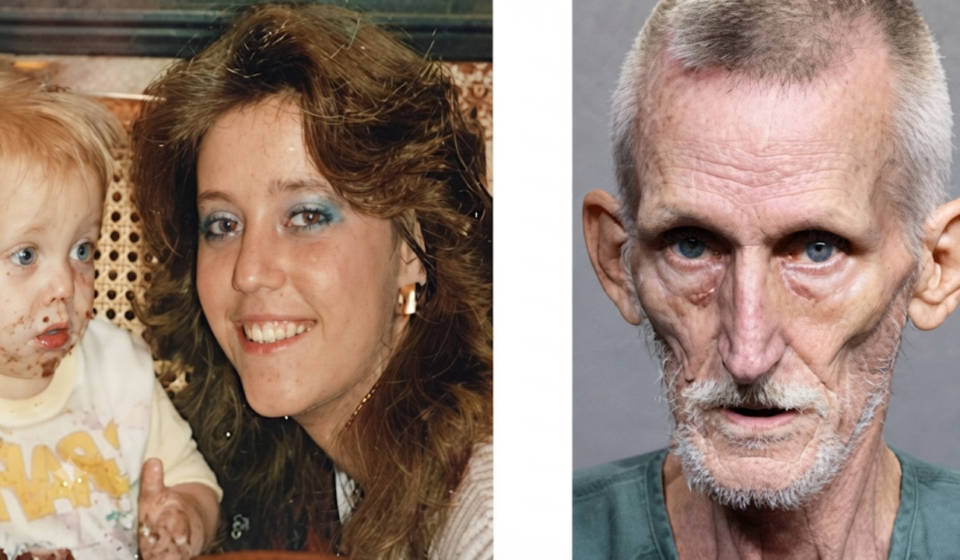

Location: Jacksonville, Duval County, Florida, United States
A decades-old murder investigation has reached a major turning point after authorities arrested a 70-year-old suspect in connection with the 1987 killing of Melissa Taylor Ellison in Jacksonville, Duval County, Florida. The arrest comes nearly four decades after the mother was found dead, ending years of investigative dead ends that had left the case unresolved for generations.
Law enforcement officials described the arrest as the result of persistent cold case work, renewed examination of evidence, and advancements in forensic investigative techniques. Detectives say the breakthrough demonstrates how even the oldest unsolved homicide cases can eventually produce answers through continued investigative efforts and modern technology.
1987 Murder Became One of the Region’s Longest Cold Cases
The investigation began on December 28, 1987, when authorities responded to the death of Melissa Taylor Ellison in Jacksonville. Detectives determined that she had been killed as a result of blunt-force trauma, launching a homicide investigation that would remain active for decades.
Investigators collected physical evidence, interviewed family members, neighbors, and potential witnesses, while pursuing numerous leads during the original investigation. Despite those efforts, detectives were unable to identify enough evidence to make an arrest, and the case gradually became one of the area’s longstanding cold cases.
Over the years, investigators repeatedly revisited the homicide, hoping advances in forensic science or newly developed information would generate fresh leads. Detectives carefully preserved evidence, recognizing that future technology might reveal information unavailable during the original investigation.
The case remained a painful mystery for the victim’s loved ones, who continued waiting for answers as the investigation stretched across nearly four decades.
Renewed Cold Case Investigation Leads to Arrest
Authorities announced that renewed investigative efforts eventually identified a 70-year-old suspect believed to be responsible for Melissa Taylor Ellison’s murder. Detectives credited years of persistence and the careful preservation of evidence for making the arrest possible.
Cold case investigators often review old files using modern forensic methods, updated criminal databases, improved DNA technology, and new witness interviews. Although officials have not disclosed every investigative technique used in this case, they indicated that the renewed examination of evidence played a critical role in identifying the suspect.
The arrest followed years of investigative work involving the Jacksonville Sheriff’s Office and other law enforcement partners. Officials emphasized that solving cold cases frequently requires cooperation among multiple agencies as well as the willingness to revisit evidence that had previously produced no answers.
Authorities have withheld certain investigative details because the criminal prosecution is now underway.
Court Proceedings Begin After Nearly Four Decades
Following the arrest, the suspect entered the legal process and now faces criminal charges related to the 1987 homicide. Prosecutors will present evidence gathered during both the original investigation and the renewed cold case review as the matter proceeds through the court system.
Evidence in decades-old homicide cases may include forensic testing, witness testimony, archived investigative records, physical evidence preserved from the original crime scene, and expert analysis explaining scientific findings developed years later.
Defense attorneys will have the opportunity to challenge the prosecution’s evidence, question investigative methods, and present arguments on behalf of the defendant. As with every criminal prosecution, the burden rests with prosecutors to prove the allegations beyond a reasonable doubt.
The suspect remains presumed innocent unless and until guilt is established through the judicial process.
Cold Case Breakthrough Highlights Advances in Forensic Science
The arrest has renewed attention on the growing number of cold cases being solved through advancements in forensic science and investigative technology. Across the United States, law enforcement agencies have successfully reopened homicide investigations that once appeared impossible to solve.
Modern DNA analysis, enhanced fingerprint comparisons, digital evidence management, forensic genealogy, and expanded criminal databases have transformed many long-unsolved investigations. These tools allow detectives to reexamine evidence using techniques unavailable when crimes originally occurred.
Officials hope the arrest will provide long-awaited answers for Melissa Taylor Ellison’s family while also encouraging continued efforts to investigate other unsolved homicide cases. Law enforcement agencies continue urging anyone with information about cold cases to come forward, as even decades-old information may contribute to future breakthroughs.
The Jacksonville investigation serves as another reminder that time does not necessarily prevent authorities from pursuing justice in homicide cases.
| Key Information | Details |
|---|---|
| Victim | Melissa Taylor Ellison |
| Incident | Cold case homicide |
| Cause of Death | Blunt-force trauma |
| Crime Date | December 28, 1987 |
| Crime Location | Jacksonville, Duval County, Florida, United States |
| Suspect | 70-year-old man |
| Investigating Agency | Jacksonville Sheriff’s Office |
| Current Status | Suspect arrested; court proceedings pending |
The arrest of a 70-year-old suspect nearly four decades after the killing of Melissa Taylor Ellison marks a significant breakthrough in one of Jacksonville’s long-unsolved homicide investigations. Through years of persistence, careful evidence preservation, and advancements in forensic science, investigators were able to move the case forward after decades without resolution.
While the arrest represents an important milestone, the legal process is only beginning. Prosecutors must now establish the suspect’s guilt in court, while the defendant retains the constitutional right to a fair trial and the presumption of innocence. For the victim’s family, the development offers renewed hope that justice may finally be achieved after nearly 39 years.
Frequently Asked Questions:
1. Who was the victim in the case?
The victim was Melissa Taylor Ellison, whose death was investigated as a homicide in 1987.
2. Where did the murder occur?
The homicide occurred in Jacksonville, Duval County, Florida, United States.
3. Why did it take so long to make an arrest?
The case remained unsolved for decades until renewed cold case investigations and advancements in forensic techniques helped investigators identify a suspect.
4. What caused the victim’s death?
Authorities determined that blunt-force trauma caused Melissa Taylor Ellison’s death.
5. Has the suspect been convicted?
No. The suspect has been arrested and charged but remains presumed innocent unless proven guilty in court.