
Location: Orlando, Orange County, Florida, United States
Arrest Location: North Carolina, United States
Nearly 38 years after a brutal homicide in Orlando, Florida, investigators have arrested a suspect in a case that had remained unsolved for decades. The arrest represents a major breakthrough in one of the region’s long-running cold case investigations and highlights how advances in forensic science and persistent investigative work can bring renewed progress to decades-old crimes.
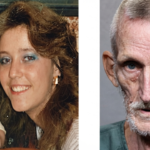
Authorities allege that the suspect is responsible for the 1988 killing of Diane Matthews, whose death remained unresolved despite years of investigative efforts. Detectives reopened and reexamined evidence multiple times over the years before identifying and arresting the suspect in North Carolina, where he now faces legal proceedings connected to the historic homicide.
1988 Killing Remained Unsolved for Decades
The investigation began in 1988 after authorities responded to the homicide of Diane Matthews in Orlando, Orange County, Florida. Detectives processed the crime scene, collected physical evidence, interviewed witnesses, and pursued numerous leads, but the investigation eventually became a cold case after no suspect was successfully prosecuted.
Despite the passage of time, investigators continued preserving evidence and periodically reviewing the case as new investigative methods became available. Cold case units often revisit unsolved homicides using updated forensic technology, expanded criminal databases, and improved DNA analysis that may not have existed when the original investigation took place.
Family members and investigators never abandoned hope that the case would eventually be solved. The continued preservation of evidence proved critical as detectives reexamined materials collected decades earlier.
Officials have not publicly disclosed every investigative detail because the criminal prosecution is now underway.
Renewed Investigation Leads to Arrest
Authorities announced that renewed investigative efforts ultimately identified a suspect believed to be connected to the murder. Detectives coordinated with law enforcement agencies across state lines after determining the suspect was living in North Carolina.
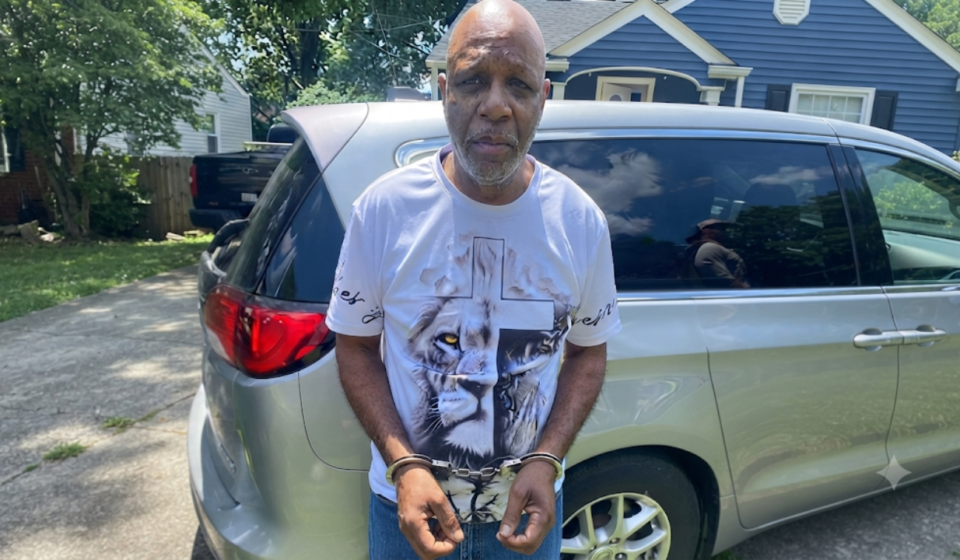
The suspect was arrested without public reports of a major confrontation and now faces charges connected to the decades-old homicide. Investigators credited years of persistence, cooperation between agencies, and advances in forensic science for helping move the case forward.
Although officials have not revealed every technique used during the investigation, cold case arrests frequently involve modern DNA testing, fingerprint comparisons, digital database searches, genealogical research, and renewed witness interviews.
The arrest demonstrates how even long-unsolved homicide investigations may eventually reach a breakthrough as technology and investigative methods continue evolving.
Legal Proceedings Begin After Nearly Four Decades
Following the arrest, prosecutors began the legal process associated with the homicide case. Because the suspect was arrested outside Florida, extradition procedures may be required before the case proceeds fully through the Florida court system.
Prosecutors are expected to rely on forensic evidence, witness testimony, investigative records, and any newly developed evidence linking the suspect to the crime. Defense attorneys will have the opportunity to challenge the prosecution’s evidence throughout court proceedings.
The extraordinary length of time between the homicide and the arrest does not prevent prosecution for murder, as homicide cases generally do not have a statute of limitations in the United States. Detectives often continue investigating such cases regardless of how many years have passed.
Like every criminal defendant, the accused remains presumed innocent unless proven guilty beyond a reasonable doubt.
Cold Case Breakthrough Offers Hope to Families
The arrest has renewed hope for families of victims whose cases remain unsolved across the country. Cold case investigations often require years of patience, detailed evidence preservation, and continued cooperation among law enforcement agencies.
Officials emphasized that solving decades-old crimes is important not only for holding suspects accountable but also for providing long-awaited answers to victims’ loved ones. Investigators continue encouraging anyone with information about unresolved crimes to contact law enforcement, as even seemingly minor details may become valuable years later.
Advances in forensic science have transformed many cold case investigations, enabling detectives to identify suspects decades after crimes occurred. The Orlando case serves as another example of how persistent investigative work can eventually produce results.
Authorities indicated that the judicial process will now determine the final outcome of the case as prosecutors present evidence before the court.
| Key Information | Details |
|---|---|
| Incident | Cold case homicide |
| Victim | Diane Matthews |
| Original Crime | 1988 homicide |
| Crime Location | Orlando, Orange County, Florida, United States |
| Arrest Location | North Carolina, United States |
| Time Between Crime and Arrest | Nearly 38 years |
| Investigation | Cold case reopened using renewed investigative efforts |
| Current Status | Suspect arrested; court proceedings pending |
The arrest of a suspect nearly 38 years after the killing of Diane Matthews represents a significant achievement for investigators who refused to let the Orlando homicide remain permanently unsolved. Through years of evidence preservation, renewed investigation, and modern forensic techniques, authorities were able to move the case forward after decades without resolution.
Although the arrest marks an important milestone, the legal process has only begun. Prosecutors must now present their evidence in court, while the defendant retains the constitutional right to a fair trial and the presumption of innocence. For the victim’s family, the development may finally provide long-awaited answers after nearly four decades.
Frequently Asked Questions:
1. Where did the original homicide occur?
The homicide occurred in Orlando, Orange County, Florida, United States, in 1988.
2. Where was the suspect arrested?
Authorities arrested the suspect in North Carolina, United States.
3. Why did the case take nearly 38 years to solve?
Investigators continued reviewing evidence over the years, and advances in forensic science and renewed investigative efforts eventually led to the arrest.
4. Can someone still be prosecuted after so many years?
Yes. Murder cases generally do not have a statute of limitations, allowing prosecutors to pursue charges regardless of how much time has passed.
5. Has the suspect been convicted?
No. The suspect has been arrested and charged but remains presumed innocent unless proven guilty in court.