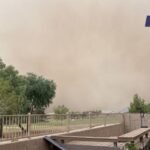

Federal health officials are warning residents across the Phoenix metropolitan area and other parts of the American Southwest to take extra precautions as dust storms, dust devils, and other wind-driven weather events increase the risk of exposure to Valley fever. The renewed warning from the U.S. Centers for Disease Control and Prevention (CDC) comes as experts continue to report rising cases of the fungal disease, which can range from mild flu-like illness to severe, life-threatening infections.
The alert highlights how Arizona’s monsoon season and its accompanying dust storms can send microscopic fungal spores into the air, making it easier for people to inhale them. Health officials say anyone living in or visiting central and southern Arizona should be aware of the risks, particularly after periods of heavy rain followed by prolonged heat and dry weather.
CDC Warns Dust Storms and Dust Devils Can Spread Dangerous Fungal Spores
How Valley Fever Develops
Valley fever, medically known as coccidioidomycosis, is caused by inhaling spores from the Coccidioides fungus. The fungus naturally lives in the soil of arid and semi-arid regions, especially Arizona, California, New Mexico, Nevada, Utah, and parts of Texas.
According to the CDC, strong winds, dust storms, dust devils, construction activity, earthquakes, and flooding can disturb contaminated soil, allowing microscopic spores to become airborne. Once inhaled, these spores settle in the lungs, where they can trigger infection.
Unlike viruses such as influenza or COVID-19, Valley fever is not spread from person to person. Infection occurs almost exclusively through breathing airborne fungal spores from the environment.
Why Phoenix Is Considered a High-Risk Area
Phoenix lies within one of the country’s most active endemic regions for Valley fever. During Arizona’s monsoon season, typically from June through September, powerful winds frequently generate massive dust storms known locally as haboobs, along with smaller dust devils.
These weather events can lift enormous amounts of soil into the atmosphere, increasing the possibility of exposure to fungal spores. Health experts note that periods of rainfall followed by hot, dry conditions create favorable conditions for the fungus to grow before later being dispersed by wind.
Cases Have Climbed Dramatically Over the Past Two Decades
Significant Increase in Reported Infections
Medical experts say reported Valley fever cases have increased dramatically since the late 1990s. A recent review cited by health officials indicates that reported infections have risen roughly tenfold since 1998.
Researchers also believe official statistics underestimate the true burden of disease because many infections go undiagnosed or are mistaken for bacterial pneumonia, influenza, COVID-19, bronchitis, or other respiratory illnesses. Modeling studies suggest hundreds of thousands of symptomatic infections may occur nationally each year, with tens of thousands requiring hospitalization.
Many Patients Initially Receive Incorrect Treatment
One of the biggest concerns among healthcare professionals is delayed diagnosis.
Studies referenced by health experts indicate that approximately 80% of patients initially receive unnecessary antibiotic treatment before Valley fever is correctly identified. Since antibiotics do not treat fungal infections, these delays can prolong illness and increase healthcare costs while allowing symptoms to worsen.
Symptoms Can Range From Mild to Life-Threatening
Early Signs Often Resemble the Flu
Many people who inhale fungal spores never develop symptoms. However, those who become ill often experience:
- Fever
- Persistent cough
- Chest pain
- Fatigue
- Shortness of breath
- Headache
- Muscle aches
- Joint pain
- Night sweats
- Skin rash
Because these symptoms resemble common respiratory illnesses, Valley fever is frequently overlooked during the early stages.
Severe Cases Can Spread Beyond the Lungs
While most healthy individuals recover without medication, Valley fever can become much more serious in some patients.
The fungal infection may spread from the lungs to other parts of the body, including:
- Skin
- Bones
- Joints
- Brain
- Spinal cord
When the infection reaches the brain or spinal cord, it can cause fungal meningitis, a potentially fatal complication requiring lifelong treatment in some patients.
Who Faces the Greatest Risk?
High-Risk Groups Identified by Health Officials
The CDC says certain individuals are more likely to develop severe disease, including:
- Adults aged 60 and older
- Pregnant women, especially during later stages of pregnancy
- People with weakened immune systems
- Organ transplant recipients
- Individuals undergoing chemotherapy
- People living with HIV/AIDS
- Patients taking immune-suppressing medications
People whose jobs regularly expose them to dust also face increased risk.
These occupations include:
- Construction workers
- Agricultural workers
- Landscaping crews
- Archaeologists
- Military personnel
- Wildland firefighters
- Road and utility workers
Anyone who spends extended periods outdoors during dusty conditions may also be exposed.
Why Weather Plays Such an Important Role
Rain, Heat and Wind Create Ideal Conditions
Researchers say Valley fever follows a predictable environmental cycle.
Heavy rainfall allows the fungus to grow beneath the soil surface. Extended periods of hot, dry weather then dry out the soil, making it easier for fungal spores to become airborne when disturbed by wind or human activity.
Climate scientists also believe changing weather patterns, increasing drought, rising temperatures, and expanding desert conditions may be contributing to the spread of the fungus into new regions.
Dust Storms Are Not the Only Source of Exposure
Although large dust storms receive the most attention, experts emphasize that infection can also occur during:
- Yard work
- Gardening
- Digging
- Excavation
- Construction projects
- Off-road recreation
- Farming
- Small local dust events
Even relatively minor disturbances of contaminated soil may release infectious spores.
CDC Recommendations for Staying Safe
Practical Steps to Reduce Exposure
Federal health officials recommend several precautions for people living in endemic areas:
- Stay indoors during dust storms whenever possible.
- Close windows and doors during windy conditions.
- Use high-efficiency air filtration systems if available.
- Avoid disturbing dry soil unnecessarily.
- Delay outdoor activities during severe dust events.
- Wear a NIOSH-approved respirator if outdoor work in dusty conditions cannot be avoided.
- Wash away dust after outdoor exposure.
People experiencing persistent respiratory symptoms lasting more than a week—especially after dust exposure—should seek medical evaluation and ask healthcare providers whether Valley fever testing is appropriate.
Valley Fever Also Affects Animals
Dogs Are Especially Vulnerable
The same fungal spores that infect humans can also cause Valley fever in dogs.
Veterinarians say infected dogs may develop:
- Persistent coughing
- Fever
- Lameness
- Loss of appetite
- Lethargy
- Weight loss
Treatment often requires antifungal medication for six to twelve months, and pet owners should inform veterinarians if their animals have recently been exposed to dusty environments.
Public Health Experts Stress Awareness Rather Than Panic
Health experts emphasize that while most Valley fever infections remain mild or resolve without treatment, awareness is critical because delayed diagnosis can allow serious complications to develop.
With Phoenix entering another season of frequent dust storms and dust devils, the CDC is encouraging residents to monitor weather conditions, reduce unnecessary exposure to airborne dust, and seek medical attention if respiratory symptoms persist after spending time outdoors. Officials say recognizing the disease early can significantly improve outcomes and help prevent severe illness among those most vulnerable.