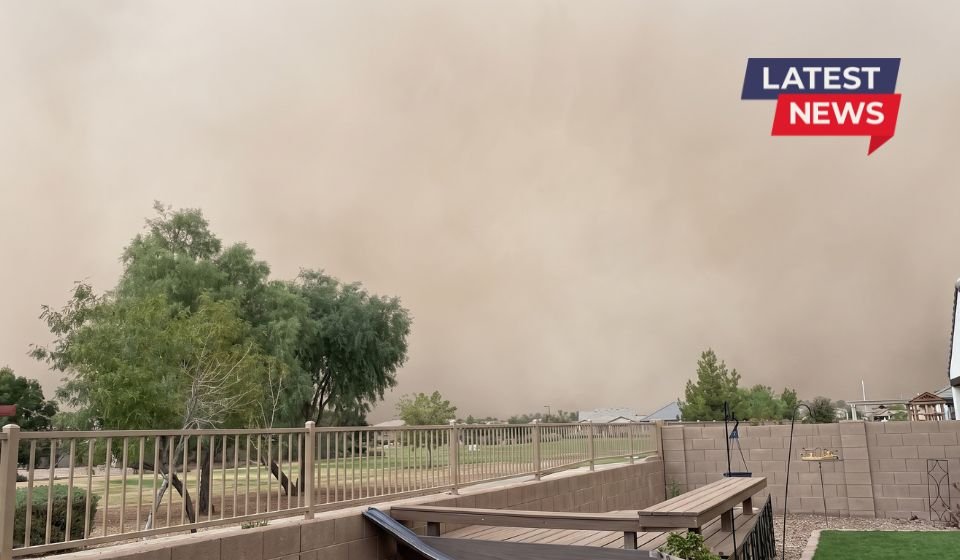

Health officials are urging residents of the Phoenix metropolitan area to take extra precautions as Valley fever cases continue to rise across Arizona, with the Centers for Disease Control and Prevention (CDC) warning that the fungal disease remains a significant public health concern in regions where dust and disturbed soil are common. The warning comes as Arizona experiences its annual dust storm season, when powerful winds, haboobs, and even smaller dust devils can lift fine soil particles into the air, increasing the likelihood that people will inhale fungal spores capable of causing infection.
While many people associate dramatic dust storms with Valley fever, health experts emphasize that exposure can occur during any activity that disturbs contaminated soil, including construction, landscaping, farming, hiking, and windy outdoor conditions. Phoenix and much of central and southern Arizona remain among the highest-risk regions in the United States for the disease.
What Is Valley Fever?
A Fungal Infection Found in Desert Soil
Valley fever, medically known as coccidioidomycosis, is a fungal infection caused by inhaling microscopic spores from fungi belonging to the genus Coccidioides. These fungi naturally live in dry, desert soils found throughout Arizona, parts of California, New Mexico, Texas, Nevada, Utah, and portions of Central and South America.
Unlike viruses or bacteria, Valley fever cannot spread from one person to another through coughing, sneezing, or physical contact. Instead, infection occurs only when airborne fungal spores are inhaled.
Why Phoenix Is Considered a Hotspot
Phoenix has long been recognized as one of the nation’s Valley fever hotspots. The city’s hot, dry climate provides ideal conditions for the fungus, and Arizona routinely reports thousands of infections each year.
According to recent public health reports, cases have increased significantly over the past several years, with Arizona accounting for the overwhelming majority of reported infections in the United States. Researchers also note that the geographic range of the fungus appears to be expanding into new areas due to changing environmental conditions.
CDC Warning Highlights Increasing Health Risks
Cases Continue to Rise Across Arizona
Health authorities say Valley fever remains underdiagnosed because its symptoms often resemble influenza, COVID-19, bronchitis, or pneumonia.
The CDC advises healthcare providers in endemic regions such as Phoenix to consider Valley fever when evaluating patients with persistent respiratory symptoms, particularly if antibiotics fail to improve the illness.
The disease can affect anyone who breathes contaminated dust, although newcomers to Arizona who have not previously been exposed may be especially vulnerable because they lack natural immunity.
Public Health Officials Encourage Greater Awareness
Medical experts continue to encourage both residents and visitors to recognize early symptoms and seek medical evaluation if illness persists after spending time outdoors in dusty conditions.
Prompt diagnosis can help prevent unnecessary antibiotic use and allow patients with severe infections to receive appropriate antifungal treatment when needed.
Understanding the Role of Dust Devils and Dust Storms
What Is a Dust Devil?
A dust devil is a rapidly spinning column of air that picks up loose dust, dirt, and debris from the ground. Although usually much smaller than Arizona’s massive haboobs, dust devils can still carry large amounts of airborne particles.
During Arizona’s monsoon season, dust devils frequently appear across the Phoenix Valley, particularly during hot afternoons.
Do Dust Devils Spread Valley Fever?
The relationship between dust storms and Valley fever has been the subject of ongoing scientific research.
Some public health messaging warns that blowing dust may expose people to fungal spores because spores become airborne when contaminated soil is disturbed. For this reason, health officials recommend limiting outdoor exposure during major dust events.
However, researchers at Arizona State University note that recent scientific studies suggest large haboobs themselves may not significantly increase Valley fever cases because the fungus generally lives below the soil surface rather than in loose surface dust. Instead, construction, excavation, farming, and other activities that disturb deeper soil layers may play a larger role in releasing infectious spores. Dust storms are nonetheless known to worsen asthma and other respiratory illnesses.
How Infection Occurs
Tiny Spores Enter the Lungs
The fungus grows beneath the desert soil. When the ground is disturbed by wind, digging, construction, agriculture, or other activities, microscopic spores become airborne.
Once inhaled, the spores enter the lungs, where they can develop into larger fungal structures that trigger infection.
Most exposed individuals either develop no symptoms or experience only mild illness. Others may develop severe lung disease or infections that spread throughout the body.
Symptoms Can Resemble the Flu
Common Early Symptoms
Many Valley fever patients initially believe they have a seasonal virus because symptoms closely resemble influenza.
Common symptoms include:
- Persistent cough
- Fever
- Chills
- Fatigue
- Chest pain
- Shortness of breath
- Headaches
- Muscle aches
- Joint pain
- Night sweats
- Skin rash, particularly on the upper body or legs
Symptoms often appear one to three weeks after exposure.
Severe Illness Is Possible
While most patients recover without long-term complications, some develop more serious disease requiring months of treatment.
Possible complications include:
- Chronic pneumonia
- Lung nodules
- Lung cavities
- Disseminated infection affecting bones, skin, joints, or other organs
- Meningitis, one of the most dangerous forms of Valley fever, which affects the brain and spinal cord and can become life-threatening without treatment.
Who Faces the Greatest Risk?
Higher-Risk Groups
Although anyone can contract Valley fever, health experts identify several groups with an increased risk of severe disease.
These include:
- Adults over age 60
- Pregnant women, particularly during the third trimester
- Individuals with weakened immune systems
- People with diabetes
- Outdoor workers exposed to dust
- Construction workers
- Farmers
- Archaeologists
- Military personnel training in desert environments
- Wildland firefighters
Climate Change May Expand the Disease
Researchers See Growing Geographic Spread
Scientists believe climate change may allow the fungus to spread into new regions as temperatures rise and drought conditions become more common.
Warmer temperatures, prolonged dry periods, and increased dust generation may create favorable conditions for the fungus beyond its traditional range.
Researchers have projected that areas suitable for Valley fever could expand substantially during the coming decades if current climate trends continue.
Protecting Yourself During Dusty Conditions
Practical Safety Tips
Health officials recommend several measures to reduce exposure to airborne fungal spores:
- Stay indoors whenever possible during dust storms or haboobs.
- Close windows and doors during windy conditions.
- Use air conditioning with clean filters when available.
- Avoid outdoor exercise during major dust events.
- Wear a properly fitted N95 respirator if outdoor work in dusty environments cannot be avoided.
- Wet soil before digging or landscaping to reduce airborne dust.
- Seek medical attention if respiratory symptoms persist after dust exposure.
When Medical Care Is Needed
Don’t Ignore Lingering Respiratory Illness
Doctors encourage anyone living in or visiting Phoenix who develops flu-like symptoms lasting several weeks to consult a healthcare provider.
Testing for Valley fever is especially important when symptoms fail to improve, chest pain develops, breathing becomes difficult, or imaging studies reveal pneumonia that does not respond to antibiotics.
Early diagnosis helps physicians determine whether antifungal medications are necessary and reduces delays in appropriate treatment.
Ongoing Research Offers Hope
Scientists Continue Searching for Better Diagnostics and Treatments
Arizona remains the center of extensive Valley fever research, with universities, healthcare systems, and public health agencies working to improve early diagnosis, treatment options, and potential vaccines.
Researchers are also studying how weather patterns, changing climates, and environmental conditions influence the spread of the fungus in hopes of improving future forecasting and prevention efforts.
Conclusion
As Phoenix enters another season of high winds and dusty conditions, public health officials continue emphasizing that Valley fever remains a serious health concern across Arizona. Although many infections resolve without major complications, the disease can become severe in vulnerable individuals and is frequently mistaken for other respiratory illnesses.
Residents, outdoor workers, and visitors are encouraged to minimize exposure to airborne dust whenever possible, remain alert for persistent flu-like symptoms, and seek medical evaluation if illness continues after spending time in dusty environments. Increased awareness, timely diagnosis, and continued research remain key to reducing the impact of this uniquely Southwestern fungal disease.