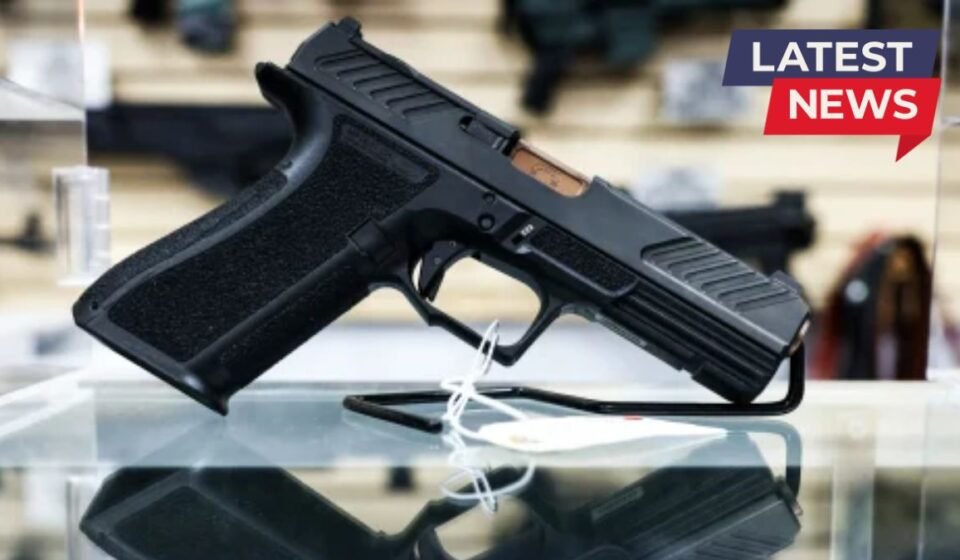

In a significant decision that could influence firearm laws across the United States, the U.S. Supreme Court has struck down Hawaii’s controversial “vampire rule,” a firearms restriction that prohibited licensed gun owners from carrying firearms on private property unless they had received explicit permission from the property owner.
The law earned the nickname “vampire rule” because critics compared it to the fictional belief that vampires cannot enter a home without an invitation. Under Hawaii’s statute, gun owners were presumed to be banned from carrying firearms onto private property unless the owner specifically allowed it.
The Supreme Court ruled that the restriction violated the constitutional rights of law-abiding citizens protected under the Second Amendment. The decision marks another major chapter in the Court’s ongoing review of gun regulations following its landmark 2022 ruling in New York State Rifle & Pistol Association v. Bruen.
What Was Hawaii’s “Vampire Rule”?
Hawaii enacted the law after the Supreme Court’s Bruen decision expanded the constitutional protection for carrying firearms in public. In response, Hawaii lawmakers passed legislation creating new restrictions on where licensed individuals could legally carry firearms.
One of the most debated provisions stated that carrying a firearm onto private property was illegal unless the property owner had clearly granted permission. This effectively made all private property off-limits by default.
Supporters argued the law strengthened private property rights by allowing owners to control whether firearms were permitted on their premises. However, gun rights organizations argued that the rule reversed the traditional understanding of private property and unfairly burdened lawful gun owners.
Because the restriction required an explicit invitation before carrying a firearm onto private property, opponents began referring to it as the “vampire rule.”
Why the Supreme Court Ruled Against the Law
The Supreme Court concluded that Hawaii’s default ban placed an unconstitutional burden on individuals exercising their Second Amendment rights.
The Court emphasized that constitutional rights cannot be broadly restricted without strong historical support. Under the legal framework established in the Bruen decision, governments must demonstrate that modern firearm regulations are consistent with the nation’s historical tradition of gun regulation.
The justices found insufficient historical evidence supporting a blanket prohibition on carrying firearms across all private property without explicit permission.
The ruling noted that private property owners still retain the right to prohibit firearms if they choose. However, the government cannot presume that every private property owner objects to firearms unless they specifically grant permission.
Impact on Hawaii Gun Owners
The decision represents a major victory for licensed gun owners in Hawaii.
Individuals who legally possess permits to carry firearms will no longer be automatically prohibited from carrying on private property solely because they lack explicit permission from the owner. Instead, property owners who wish to prohibit firearms can continue doing so through posted signs, company policies, or direct communication.
The ruling restores a legal presumption that lawful firearm carry is permitted unless a property owner clearly indicates otherwise.
Legal experts believe the decision provides greater clarity while continuing to respect private property rights.
Broader Implications for Other States
Hawaii is not the only state that adopted similar restrictions after the Bruen ruling. States including New York and New Jersey enacted comparable laws limiting firearms on private property by default.
Because the Supreme Court’s decision addresses the constitutional validity of these restrictions, legal analysts expect challenges to similar laws in other jurisdictions.
Courts reviewing comparable statutes will likely rely on the Supreme Court’s reasoning when determining whether those laws comply with the Second Amendment.
As a result, the ruling may influence future firearm litigation nationwide and reshape how states regulate licensed concealed carry.
Supporters and Critics React
Gun rights organizations praised the decision as an important victory for constitutional freedoms.
They argued that responsible, licensed gun owners should not lose their constitutional rights simply because they step onto private property without an express invitation to carry a firearm.
Supporters also maintained that property owners already possess the legal authority to prohibit firearms if they wish, making Hawaii’s default prohibition unnecessary.
Meanwhile, advocates for stricter gun regulations expressed concern that the ruling limits states’ ability to address public safety through firearm restrictions. They argued that states should retain flexibility to establish rules reflecting local safety concerns and community preferences.
The decision is expected to fuel ongoing national debate over balancing Second Amendment protections with public safety objectives.
Legal Significance of the Decision
The Supreme Court’s ruling further reinforces the constitutional standard established in the Bruen case, requiring firearm regulations to align with the historical traditions of the United States.
Rather than applying broad public-interest balancing tests, courts must now examine whether comparable firearm restrictions existed during the nation’s early history.
Legal scholars say this approach has significantly changed how federal and state courts evaluate gun laws.
The Hawaii case demonstrates that regulations imposing broad restrictions on lawful firearm carry may face increased constitutional scrutiny unless supported by historical precedent.
Looking Ahead
The decision is expected to influence future legal battles involving firearm regulations across the country. States considering new restrictions on licensed firearm carry will likely need to carefully evaluate whether those measures are consistent with historical practices recognized by the Supreme Court.
While private property owners continue to have the authority to prohibit firearms on their premises, governments may face greater constitutional limits when imposing default statewide bans.
As debates over gun rights and public safety continue, the Supreme Court’s ruling on Hawaii’s “vampire rule” serves as another defining moment in the evolving interpretation of the Second Amendment. The case is likely to remain an important reference point for lawmakers, courts, and legal experts as they navigate the future of firearm regulation in the United States.