
Health inspectors in Arizona uncovered multiple serious food safety violations at several grocery stores and convenience retailers across the Phoenix metropolitan area after routine inspections conducted during the week of June 22. The findings included mold-covered vegetables, spoiled dairy products, refrigeration units operating above safe temperatures, and sanitation deficiencies that prompted inspectors to order food discarded and, in some cases, equipment removed from service until repaired. The inspection results were released through Maricopa County’s Environmental Services Department and highlighted ongoing concerns about food safety practices in retail grocery operations.
According to inspection records, county officials carried out approximately 1,230 inspections of grocery stores, restaurants, and other food establishments during the inspection period. Only four grocery-related businesses were cited for a total of seven priority violations, but the nature of the violations raised concerns because they involved issues that can directly increase the risk of foodborne illness if left uncorrected.
Four Stores Receive Priority Food Safety Violations
The businesses cited during the inspections included:
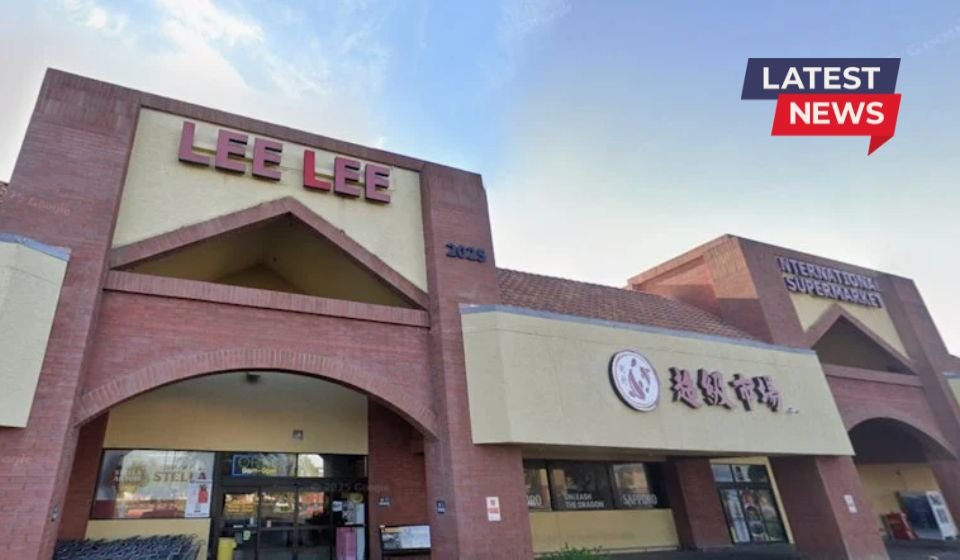
- Lee Lee Oriental Supermart in Chandler
- Walgreens on North 19th Avenue in Phoenix
- Sun Stop Liquors in Tempe
- Carniceria La Constancia in Mesa
Inspectors documented violations ranging from improper refrigeration and spoiled food to sanitation issues requiring immediate corrective action. Most violations were reportedly corrected while inspectors were present, though at least one refrigeration unit had to remain out of service until repairs and a follow-up inspection were completed.
Moldy Vegetables Found at Lee Lee Oriental Supermart
Condensation Leak Leads to Mold Growth
One of the most significant violations occurred at Lee Lee Oriental Supermart in Chandler. Health inspectors discovered that a leaking condenser inside one of the store’s refrigeration units had dripped water onto boxed choy sum, creating conditions that allowed mold to develop across the vegetables.
The spoiled produce was deemed unsafe for sale and inspectors immediately ordered store employees to dispose of the contaminated greens. County officials also instructed the business to thoroughly clean the affected cooler, repair the leaking refrigeration system, and keep the equipment out of operation until it passed a reinspection.
Walk-In Cooler Operating Above Safe Temperature
Inspectors also found that the supermarket’s walk-in cooler was not maintaining safe refrigeration temperatures. Several refrigerated food products—including tofu, bean sprouts, and other perishable items—were being stored inside the warmer-than-required cooler.
Improper cold storage can allow bacteria to multiply rapidly, making refrigerated foods unsafe for consumers if temperature issues are not promptly corrected. The inspection records noted that these concerns required immediate attention.
Sanitizer Issue Also Identified
In addition to refrigeration problems, inspectors observed that the sanitizer container connected to a three-compartment sink used in the produce preparation area was empty.
Employees replaced the sanitizer solution during the inspection, bringing the sink back into compliance before inspectors left the premises.
Walgreens Ordered to Discard Refrigerated Foods
Health inspectors also cited a Walgreens store located on North 19th Avenue in Phoenix after discovering that its walk-in cooler was failing to maintain safe temperatures.
Because the refrigeration equipment could not adequately preserve perishable items, dairy products and other refrigerated foods stored inside were discarded. County inspectors instructed the store not to use the cooler again until repairs had been completed and the unit was confirmed to be operating properly.
Sun Stop Liquors Cited for Warm Prepared Foods
At Sun Stop Liquors in Tempe, inspectors found several ready-to-eat refrigerated foods—including cheesecake, macaroni salad, and potato salad—being stored in a cooler that was not cold enough.
Store employees informed inspectors that the products had been in the malfunctioning cooler for less than two hours. As an immediate corrective measure, workers transferred the food into a properly functioning refrigerator while inspectors were still on site. The violation was documented as corrected during the inspection.
Carniceria La Constancia Also Listed Among Violators
Carniceria La Constancia in Mesa was also among the four businesses receiving priority food safety citations during the inspection period.
Although summaries of the inspection focused primarily on the refrigeration issues found at the other locations, county records identified the Mesa grocery as one of the businesses cited for priority violations during the week.
What Priority Violations Mean
Serious Risks to Public Health
Maricopa County classifies “priority” violations as problems that have a direct connection to foodborne illness.
These violations often involve improper food temperatures, inadequate sanitation, cross-contamination risks, or other conditions that allow harmful bacteria or pathogens to develop. Because of the elevated public health risk, inspectors may require immediate corrective action, schedule follow-up inspections, issue citations, or pursue permit suspension if violations are not addressed.
Equipment Problems Can Signal Larger Issues
County officials note that repeated refrigeration failures or recurring sanitation deficiencies may indicate broader operational problems involving employee training, maintenance, or food safety management systems.
For that reason, inspectors often review a business’s inspection history to determine whether violations represent isolated incidents or part of an ongoing pattern of noncompliance.
Most Violations Corrected During Inspection
Inspection records indicate that many of the violations observed during the June inspection week were corrected while health officials were still present.
Employees discarded spoiled food, transferred refrigerated products into properly functioning coolers, replaced sanitizer solutions, and began addressing equipment issues immediately. However, refrigeration units that could not safely maintain required temperatures remained out of service until repairs could be completed and approved through a follow-up inspection.
Health Officials Encourage Consumers to Report Concerns
Maricopa County encourages consumers who notice spoiled food, unsafe storage conditions, or other potential food safety concerns while shopping to report them to the local health department. Consumer complaints can trigger additional inspections and help officials identify problems before they result in foodborne illness outbreaks.
Inspection reports are also publicly available through the county’s online inspection database, allowing shoppers to review the compliance history of grocery stores and other food establishments before visiting.
Food Safety Remains a Key Public Health Priority
The latest inspection results serve as a reminder that grocery stores, convenience stores, and supermarkets are subject to the same food safety standards as restaurants. Proper refrigeration, sanitation, and routine equipment maintenance remain essential for preventing food spoilage and protecting consumers from potentially dangerous foodborne illnesses.
Although only a small number of businesses received priority violations during the nearly 1,230 inspections conducted that week, the discovery of moldy produce, improperly refrigerated dairy products, and malfunctioning cooling equipment underscores the importance of regular health inspections and immediate corrective action when food safety standards are not met.