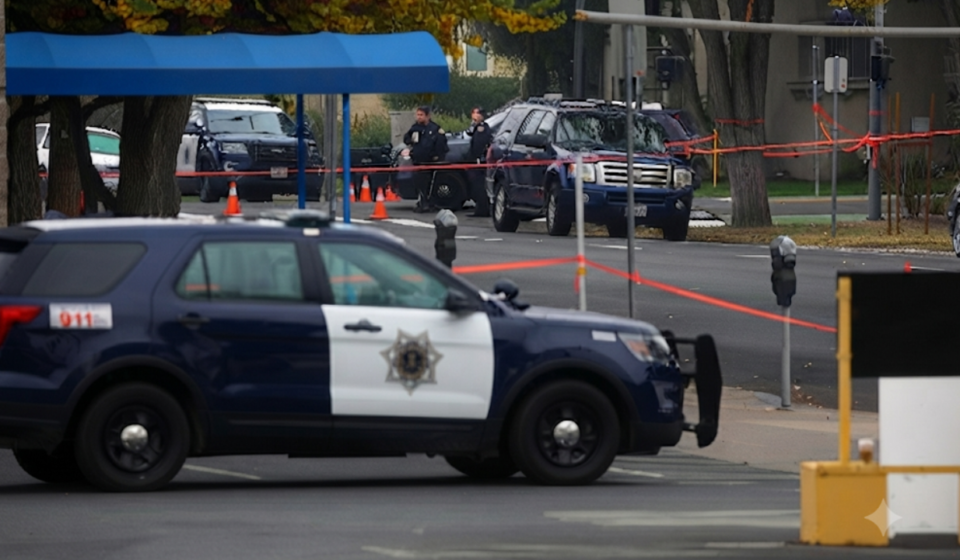

California, United States
California has recorded its lowest homicide rate in more than six decades, according to newly released statewide crime data, marking a significant milestone in public safety across the state. The report also indicates that law enforcement agencies made more arrests in homicide investigations, contributing to improved clearance rates while overall violent crime continued to decline.
Officials say the latest figures reflect continued cooperation among local police departments, sheriff’s offices, district attorneys, and state agencies that have focused on solving violent crimes and preventing repeat offenses. While the trend is encouraging, authorities emphasize that every homicide remains a tragedy and that efforts to reduce violent crime must continue.
The latest statistics provide a snapshot of California’s changing crime landscape as law enforcement agencies invest in modern investigative techniques, community partnerships, and evidence-based policing strategies.
Statewide Data Shows Historic Decline in Homicides
According to the newly released crime report, California experienced a substantial decline in homicides, bringing the statewide homicide rate to its lowest level in more than 60 years. The reduction represents a continuation of improving crime trends observed over recent years following previous fluctuations in violent crime.
Public safety officials attribute the decline to multiple factors rather than a single cause. Increased collaboration among law enforcement agencies, expanded violence prevention initiatives, community engagement programs, and improved investigative resources are among the developments cited as contributing to the trend.
Officials cautioned that crime patterns vary significantly from one community to another. While statewide statistics demonstrate overall improvement, some cities and counties continue to experience challenges involving violent crime that require focused enforcement and prevention efforts.
Authorities stressed that maintaining long-term progress will depend on continued investment in public safety, criminal investigations, and community partnerships.
Police Report More Arrests in Homicide Investigations
Alongside the decline in homicides, the report found that California law enforcement agencies achieved higher arrest and clearance rates in murder investigations. Detectives credited advances in forensic science, digital evidence analysis, surveillance technology, and interagency cooperation for helping investigators solve more homicide cases.
Modern investigative methods—including DNA testing, ballistic analysis, cellphone data, surveillance video, and license plate recognition systems—have significantly expanded the tools available to detectives. These technologies often enable investigators to identify suspects more quickly while strengthening evidence presented during criminal prosecutions.
Law enforcement leaders also emphasized the importance of witness cooperation and community trust. Information provided by residents frequently plays a critical role in helping detectives solve violent crimes and bring suspects before the courts.
Although improved arrest rates represent progress, officials acknowledge that unsolved homicides remain a priority, with many agencies continuing to investigate cold cases using newly available forensic techniques.
Factors Contributing to the Changing Crime Trends
Criminologists and public safety officials note that changes in homicide rates are influenced by numerous social, economic, and law enforcement factors. Community violence intervention programs, focused policing strategies, expanded mental health services, youth outreach initiatives, and technological advancements have all been discussed as possible contributors to the decline.
Law enforcement agencies have increasingly relied on intelligence-led policing, real-time crime centers, data analysis, and specialized investigative units to identify emerging crime patterns and allocate resources more effectively. At the same time, prosecutors and community organizations have continued working together to address repeat violent offenders while supporting crime prevention efforts.
Experts caution that crime trends can fluctuate over time and should be evaluated over multiple years rather than through isolated annual statistics. They emphasize that sustained reductions require ongoing cooperation between police, local governments, nonprofit organizations, and community members.
Officials also continue encouraging residents to report crimes promptly and cooperate with investigators whenever possible.
Continuing Public Safety Efforts Across California
Despite the encouraging statewide statistics, California law enforcement agencies say reducing violent crime remains a long-term priority. Departments across the state continue investing in officer training, forensic capabilities, community outreach, and partnerships designed to improve both crime prevention and criminal investigations.
Many agencies are also expanding the use of technology to enhance emergency response, improve investigative efficiency, and strengthen coordination with neighboring jurisdictions. Public education campaigns addressing firearm safety, domestic violence prevention, youth intervention, and neighborhood engagement remain important components of broader public safety strategies.
Officials stress that success cannot be measured solely by declining crime numbers. Supporting victims, solving serious crimes, and strengthening trust between law enforcement and communities remain essential goals for agencies throughout California.
Authorities say continued collaboration will be necessary to maintain the positive trends reflected in the latest statewide crime report.
Crime Report Summary
| Category | Details |
|---|---|
| Report Area | California, United States |
| Main Finding | Lowest statewide homicide rate in more than six decades |
| Additional Trend | Increased homicide arrest and clearance rates |
| Investigating Agencies | Local police departments, sheriff’s offices, state agencies |
| Investigative Improvements | DNA analysis, digital evidence, surveillance technology, forensic science |
| Community Role | Witness cooperation and crime reporting |
| Public Safety Focus | Violence prevention, homicide investigations, community partnerships |
| Ongoing Priorities | Solving unsolved cases and reducing violent crime |
| Overall Trend | Declining homicides and improved investigative outcomes |
| Report Status | Newly released statewide crime statistics |
California’s latest statewide crime report highlights a significant milestone, with the homicide rate reaching its lowest level in more than 60 years while police agencies reported improved success in solving homicide cases. Officials credit a combination of stronger investigative methods, technological advancements, interagency cooperation, and community engagement for contributing to these encouraging trends.
Although the statistics reflect meaningful progress, authorities emphasize that violent crime prevention remains an ongoing responsibility. Law enforcement agencies continue working to solve unsolved cases, support victims and families, and strengthen public confidence through effective policing and transparent investigations. Maintaining these gains will require sustained collaboration among police, prosecutors, community organizations, and residents across California.
Frequently Asked Questions:
1. What did the new California crime report reveal?
The report found that California’s homicide rate has fallen to its lowest level in more than six decades.
2. Why are more homicide cases being solved?
Officials credit improved forensic science, digital evidence, surveillance technology, and stronger cooperation among law enforcement agencies for increasing homicide arrest and clearance rates.
3. Does the report mean violent crime has disappeared?
No. While homicides have declined statewide, authorities note that violent crime still occurs, and some communities continue facing significant public safety challenges.
4. What factors may have contributed to the decline?
Officials point to a combination of community policing, violence prevention programs, modern investigative techniques, interagency cooperation, and community involvement.
5. What are California law enforcement agencies focusing on next?
Agencies say they will continue investigating unsolved homicides, improving public safety, expanding forensic capabilities, strengthening community partnerships, and reducing violent crime across the state.