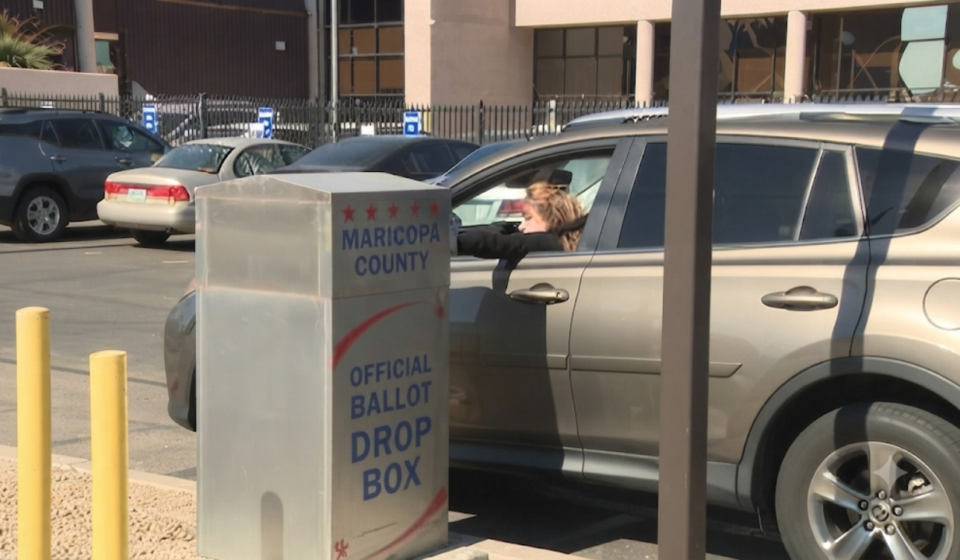

Arizona is among several states that have received a warning from the U.S. Department of Justice (DOJ) regarding policies that federal officials believe could allow non-citizens to participate in elections. The department indicated that criminal prosecution could be pursued if state or local officials knowingly permit voting by individuals who are not legally eligible under federal law.
The federal warning has intensified an ongoing national debate over election administration, voter eligibility, and the balance of authority between federal and state governments. Arizona officials are now reviewing the implications of the DOJ’s position, while election experts note that any legal disputes are likely to unfold through court proceedings and continued policy discussions.
DOJ Issues Warning Over Election Eligibility
The Department of Justice sent communications to several states, including Arizona, emphasizing that federal law prohibits non-citizens from voting in federal elections. According to the department, election officials have a legal obligation to administer elections in accordance with federal statutes and ensure that only eligible voters participate where federal offices appear on the ballot.
The DOJ warned that officials who knowingly violate federal election laws could face criminal consequences under applicable statutes. The communication reflects the federal government’s position that compliance with citizenship requirements remains a critical part of maintaining election integrity and public confidence in the electoral system.
The warning follows continued national discussions regarding voter registration procedures, citizenship verification, and election administration. While the DOJ has expressed concerns about policies it believes may conflict with federal law, no criminal charges against Arizona officials have been announced in connection with the warning itself.
Election law specialists note that the letter represents a legal and policy position by the federal government rather than a final judicial determination. Any enforcement action would still require legal proceedings and evaluation under applicable federal statutes.
Arizona’s Election Laws and Ongoing Legal Questions
Arizona has long maintained some of the nation’s most closely scrutinized election laws concerning voter registration and proof of citizenship. The state already requires verification measures for certain election-related processes, although some aspects of election administration have been the subject of litigation and federal court review over the years.
The DOJ’s warning introduces another chapter in the broader legal debate over the respective roles of federal and state governments in regulating elections. While states generally administer elections, the federal government enforces laws governing federal elections and constitutional protections involving voting rights.
Legal experts point out that states may adopt election procedures so long as they comply with the U.S. Constitution, federal statutes, and applicable court decisions. When disagreements arise, courts ultimately determine whether state policies conflict with federal law.
Arizona election officials and policymakers are expected to continue evaluating any potential legal implications while monitoring developments at the federal level.
Potential Impact and What Comes Next
The DOJ’s communication does not automatically trigger criminal proceedings but serves as a warning regarding the department’s interpretation of federal law. Before any criminal prosecution could occur, investigators and prosecutors would need to establish that applicable legal standards had been met, including any required elements of intent under federal statutes.
Observers expect continued legal and political discussions involving election administration, voter eligibility verification, and federal oversight. Similar disputes in the past have frequently resulted in court challenges, legislative proposals, and administrative changes rather than immediate criminal enforcement.
Election officials across the country continue emphasizing that maintaining accurate voter registration records and protecting election integrity remain central responsibilities regardless of ongoing legal disagreements. At the same time, officials must also ensure that eligible voters retain lawful access to the electoral process.
As the issue develops, Arizona will likely remain one of several states closely watched for any future legal actions, policy revisions, or judicial rulings stemming from the Department of Justice’s position.
| Key Information | Details |
|---|---|
| Issue | DOJ warning regarding non-citizen voting policies |
| Location | Arizona, United States |
| Federal Agency | U.S. Department of Justice |
| Main Concern | Compliance with federal election laws |
| DOJ Position | Officials could face criminal prosecution if federal law is knowingly violated |
| Arizona Status | Among states receiving the federal warning |
| Legal Outlook | Potential court challenges and policy review |
| Current Status | No criminal charges announced; legal discussions continue |
Arizona has become part of a broader national legal debate after the U.S. Department of Justice warned that officials in several states could face criminal prosecution if they knowingly permit violations of federal election laws concerning non-citizen voting. Although the warning itself does not initiate criminal proceedings, it underscores the federal government’s position on enforcing voter eligibility requirements.
The issue is expected to remain the subject of legal analysis, policy review, and possible court action as federal and state authorities continue addressing questions surrounding election administration. Until any formal enforcement actions or judicial rulings occur, Arizona officials and election administrators will continue monitoring developments while complying with existing state and federal legal requirements.
Frequently Asked Questions:
1. Why did the Department of Justice issue the warning?
The DOJ stated that federal law prohibits non-citizens from voting in federal elections and warned that officials who knowingly violate those laws could face criminal prosecution.
2. Is Arizona the only state involved?
No. Arizona is among several states that reportedly received the DOJ’s warning regarding election administration policies.
3. Have any Arizona officials been charged?
No. No criminal charges have been announced against Arizona officials in connection with the DOJ’s warning.
4. What legal issue is at the center of the dispute?
The dispute concerns compliance with federal election laws, voter eligibility requirements, and the relationship between federal authority and state election administration.
5. What happens next?
State officials may review policies, legal challenges could be filed, and any future enforcement actions would proceed through the federal judicial process before criminal liability could be determined.