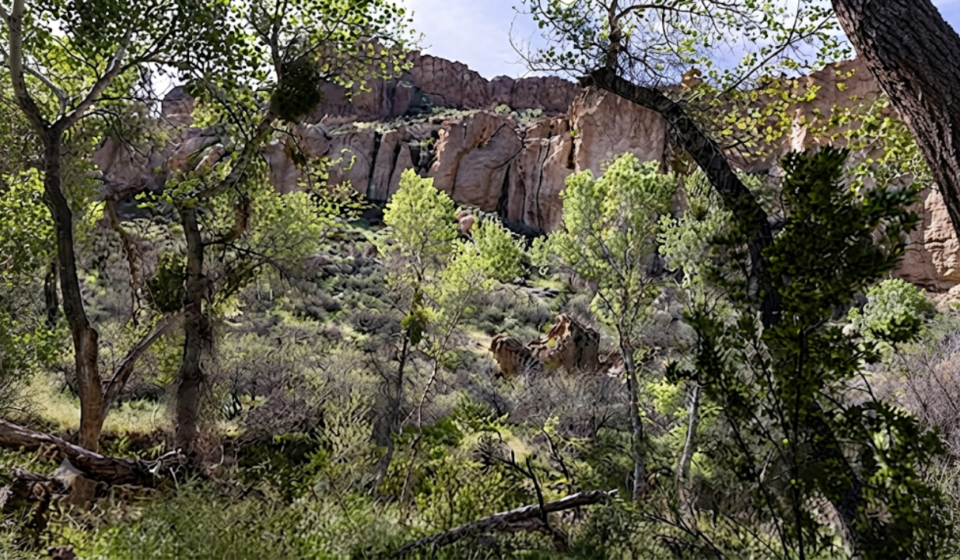

Coconino National Forest, Coconino County, Arizona, United States
A man has pleaded guilty to federal charges after authorities said he illegally lived for years inside Coconino National Forest in Coconino County, Arizona, where investigators discovered a long-term unauthorized campsite surrounded by an estimated 1,000 pounds of trash and debris. The case has drawn attention to the environmental impact of illegal encampments on protected public lands and the responsibilities visitors have when using national forests.
Federal officials alleged that the defendant occupied the forest without authorization for an extended period while accumulating large amounts of waste that damaged the surrounding environment. The guilty plea brings the criminal case closer to resolution while highlighting ongoing efforts by land management agencies to protect public lands from illegal occupation and environmental degradation.
Long-Term Illegal Occupation Led to Federal Investigation
According to court documents, federal authorities began investigating after land management personnel discovered evidence of a long-standing campsite within Coconino National Forest. Officials alleged the man had lived in the area for several years without authorization, creating a semi-permanent encampment that expanded over time and generated significant quantities of discarded materials.
Investigators reported finding approximately 1,000 pounds of trash, including household waste, abandoned personal property, scrap materials, and other debris scattered throughout the campsite. Authorities said the accumulation of waste posed risks to wildlife, vegetation, soil quality, and the overall condition of the federally protected forest. Following the investigation, prosecutors filed charges that ultimately resulted in the defendant entering a guilty plea.
Officials explained that national forests permit recreational camping under established regulations, but unauthorized long-term occupation violates federal land management rules intended to preserve natural resources and ensure fair public access.
The case also required substantial cleanup efforts after investigators documented environmental damage and removed waste from the site. Restoration work aimed to reduce long-term impacts on the surrounding ecosystem.
Environmental Impact of Illegal Forest Encampments
Land management agencies regularly monitor national forests for unauthorized structures, illegal dumping, and extended occupancy that can damage sensitive natural habitats. While millions of visitors legally enjoy public lands each year, long-term unauthorized encampments may disrupt ecosystems through vegetation removal, improper waste disposal, fire hazards, and pollution of nearby waterways.
Environmental specialists note that even relatively small campsites can create lasting ecological consequences when occupied continuously over extended periods. Accumulated trash may attract wildlife, contaminate soil, spread invasive species, and increase the risk of human-wildlife conflicts. Cleanup operations often require significant public resources to restore damaged areas.
Federal agencies encourage visitors to follow Leave No Trace principles by packing out trash, respecting camping limits, and minimizing environmental impacts. These practices help preserve forests for recreation while protecting wildlife and natural habitats.
Officials emphasize that enforcement actions are generally reserved for situations involving prolonged violations, environmental harm, or failure to comply with lawful directives issued by land management authorities.
Guilty Plea Advances Federal Court Proceedings
By pleading guilty, the defendant acknowledged responsibility for the offense, allowing the federal criminal case to move toward sentencing without a full trial. During sentencing, the court may consider the duration of the unauthorized occupation, the extent of environmental damage, cleanup costs, and other relevant legal factors before determining an appropriate penalty.
Federal prosecutors stated that protecting public lands requires consistent enforcement of laws governing national forests. They argue that unauthorized occupation not only damages natural resources but may also limit access for other visitors and increase management costs borne by taxpayers.
The case has renewed discussion about balancing environmental protection with broader social issues that sometimes contribute to unauthorized camping on public lands. While enforcement agencies focus on violations of federal law, community organizations continue addressing housing, mental health, and support services through separate public policy initiatives.
Authorities continue encouraging visitors to use designated camping areas, comply with national forest regulations, and report illegal dumping or environmental damage so that protected lands can be preserved for future generations.
| Key Information | Details |
|---|---|
| Case | Guilty plea for unauthorized long-term forest occupation |
| Location | Coconino National Forest, Coconino County, Arizona, United States |
| Alleged Duration | Several years |
| Waste Found | Approximately 1,000 pounds of trash |
| Investigating Authorities | Federal land management and law enforcement agencies |
| Environmental Concerns | Illegal dumping, habitat damage, pollution risks |
| Legal Status | Defendant pleaded guilty |
| Next Step | Federal sentencing proceedings |
The guilty plea in the Coconino National Forest case concludes an important stage of a federal investigation into years of unauthorized occupation and environmental damage. Authorities allege that the defendant’s long-term presence resulted in the accumulation of roughly 1,000 pounds of waste, requiring significant cleanup and restoration efforts.
The case highlights the importance of protecting public lands through responsible recreation, environmental stewardship, and enforcement of federal regulations. As sentencing approaches, officials say the outcome may reinforce the need to preserve national forests while ensuring that all visitors follow rules designed to safeguard these shared natural resources.
Frequently Asked Questions:
1. Where did the incident occur?
The case occurred in Coconino National Forest, Coconino County, Arizona, United States.
2. What did authorities allege?
Federal officials alleged that the man lived illegally in the national forest for several years and accumulated approximately 1,000 pounds of trash at the campsite.
3. Why was the case investigated?
Land management officials investigated after discovering a long-term unauthorized encampment and evidence of significant environmental damage and waste accumulation.
4. What does the guilty plea mean?
The guilty plea means the defendant accepted responsibility for the charged offense, allowing the case to proceed to sentencing without a full trial.
5. Why are unauthorized forest encampments a concern?
Long-term illegal camps can damage vegetation, pollute natural areas, attract wildlife, increase wildfire risks, and require costly cleanup efforts to restore protected public lands.