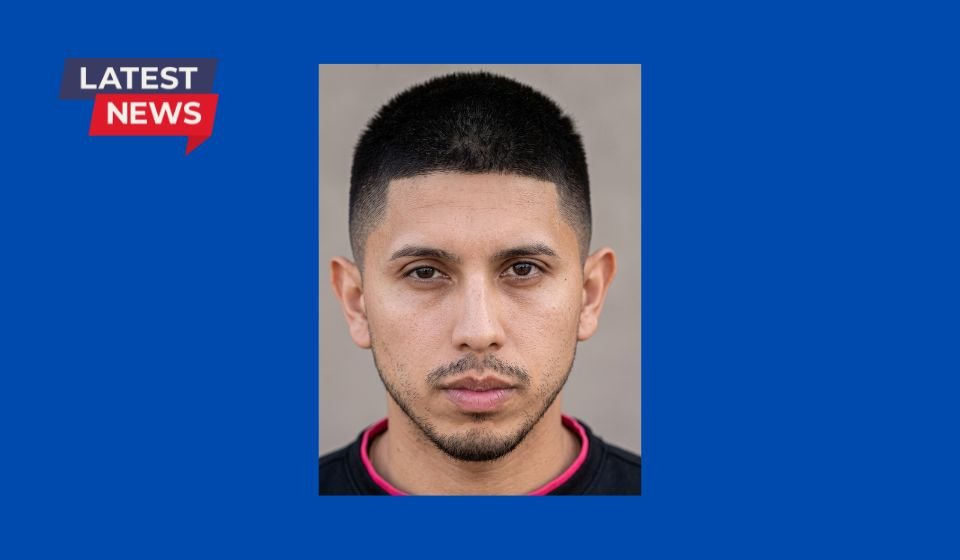

Nearly a decade after a string of seemingly random shootings terrorized neighborhoods across Phoenix, Arizona, the criminal case against accused Serial Street Shooter Aaron Juan Saucedo remains unresolved. Although Saucedo was arrested in 2017 and faces numerous charges connected to one of the state’s most notorious homicide investigations, a jury has yet to hear the evidence in a full trial.
The lengthy delays have left victims’ families frustrated and searching for closure while prosecutors, defense attorneys, and the courts continue to navigate an extraordinarily complex capital murder case. As of mid-2026, Saucedo remains in custody, and the case continues through pretrial proceedings without a final verdict.
The Serial Street Shooter Terrorized Phoenix
A Wave of Random Shootings
The shootings began in August 2015 and continued into July 2016, creating fear across Phoenix, particularly in the Maryvale area. Victims were often attacked outside their homes, while standing near vehicles, or walking through neighborhoods during the evening and overnight hours.
Investigators ultimately linked 12 separate shootings to what became known as the “Serial Street Shooter” investigation. Nine people were killed, while several others survived attempted attacks. The randomness of the shootings made residents fearful because investigators found no clear pattern connecting most of the victims.
Victims Came From Different Backgrounds
Police said the victims ranged widely in age and background. Most had no known connection to one another.
Among those killed were Raul Romero, Jesse Olivas, Diego Verdugo-Sanchez, Krystal White, Horacio Peña, Manuel Castro Garcia, Stefanie Ellis, 12-year-old Maleah Ellis, and Angela Linner, who later died from injuries sustained during one of the attacks. Authorities also investigated several non-fatal shootings connected to the same firearm and suspect.
Investigation Grew Into One of Phoenix’s Largest Murder Cases
Thousands of Tips Poured In
The investigation became one of the largest homicide inquiries ever handled by Phoenix police.
Detectives received thousands of public tips, conducted extensive neighborhood canvasses, examined surveillance footage, interviewed witnesses, and relied heavily on forensic evidence. Witnesses generally described a young Hispanic man driving a dark BMW sedan, though details varied among sightings.
Police released composite sketches and repeatedly appealed to the public for assistance as fear spread throughout the city.
Ballistics Played a Critical Role
Forensic experts eventually linked multiple shootings through ballistic evidence, determining that the same firearm had been used in numerous attacks.
Investigators later concluded that evidence from the first homicide became the breakthrough that ultimately led them to Saucedo.
Aaron Saucedo’s Arrest
First Arrested in Raul Romero’s Killing
In April 2017, Aaron Juan Saucedo was arrested in connection with the August 2015 killing of 61-year-old Raul Romero.
According to investigators, Romero personally knew Saucedo’s family, making his killing different from the later shootings that authorities described as random.
Police alleged that ballistic testing connected Saucedo’s handgun to Romero’s murder. During the investigation, detectives also discovered similarities between Saucedo, witness descriptions, and the composite sketch released during the serial shooting investigation. Authorities further noted that Saucedo owned a BMW similar to the vehicle described by witnesses.
Charges Expanded
Following additional investigation, prosecutors charged Saucedo with responsibility for the broader shooting spree.
He now faces numerous felony counts, including:
Nine Counts of First-Degree Murder
The prosecution alleges Saucedo committed nine murders during the 2015-2016 shooting spree.
Additional Violent Crime Charges
Beyond the murder counts, prosecutors have filed charges including attempted first-degree murder, drive-by shooting, aggravated assault, endangerment, and weapons-related offenses connected to the series of attacks.
Saucedo Has Maintained His Innocence
Saucedo pleaded not guilty after his arrest.
During one of his earliest court appearances in 2017, he briefly told the judge, “I’m innocent.” The court ordered that he remain jailed without bond while the prosecution pursued the capital case.
Why Has the Trial Taken So Long?
Death Penalty Litigation
The prosecution is seeking the death penalty, making the case significantly more complicated than a standard homicide prosecution.
Capital cases require extensive pretrial litigation involving constitutional issues, mitigation investigations, expert testimony, evidentiary hearings, and numerous procedural safeguards before jurors can be selected.
Competency Proceedings
One of the primary reasons for repeated delays has been litigation surrounding Saucedo’s competency to stand trial.
Arizona courts have spent years evaluating whether Saucedo is mentally competent to participate in his own defense. Additional proceedings have also examined claims regarding intellectual disability, an issue that could affect whether the death penalty is legally available if he were convicted.
Massive Amount of Evidence
The case includes an enormous volume of evidence.
According to court filings discussed during previous hearings, attorneys have had to review extensive forensic evidence, interview more than 200 witnesses, analyze years of investigative material, and prepare expert testimony. Defense attorneys have argued that such preparation requires significant time, particularly in a capital murder case. Earlier delays were also affected by disruptions caused during the COVID-19 pandemic.
Victims’ Families Continue Waiting
Years Without Closure
For relatives of those killed, the repeated postponements have been emotionally exhausting.
Family members have attended numerous hearings expecting progress, only to learn that additional delays were necessary. Several relatives have publicly expressed disappointment that nearly a decade has passed without a jury hearing the evidence.
Some have said they simply want the opportunity to finally see the judicial process completed after years of uncertainty.
Current Status of the Case
Still Awaiting Trial
As of July 2026, Aaron Saucedo remains jailed while awaiting trial.
The case continues through pretrial hearings involving competency issues, intellectual disability claims, expert testimony, and other legal matters that must be resolved before jury selection can begin.
Despite nine years having passed since the alleged shooting spree ended and more than nine years since the investigation began, no jury has yet determined Saucedo’s guilt or innocence. Under the U.S. legal system, he remains presumed innocent unless and until proven guilty beyond a reasonable doubt in court.
A Case That Continues to Define Phoenix
The Phoenix Serial Street Shooter investigation remains one of Arizona’s most significant criminal cases because of both the scale of the alleged crimes and the extraordinary length of the legal proceedings. What began as a frightening series of seemingly random shootings evolved into one of the state’s largest capital murder prosecutions.
For investigators, prosecutors, defense attorneys, survivors, and the families of those killed, the case remains unfinished. Nearly a decade after the shootings first gripped Phoenix, the long-awaited trial has yet to begin, leaving many hoping that the coming proceedings will finally provide answers and a measure of justice after years of delay.