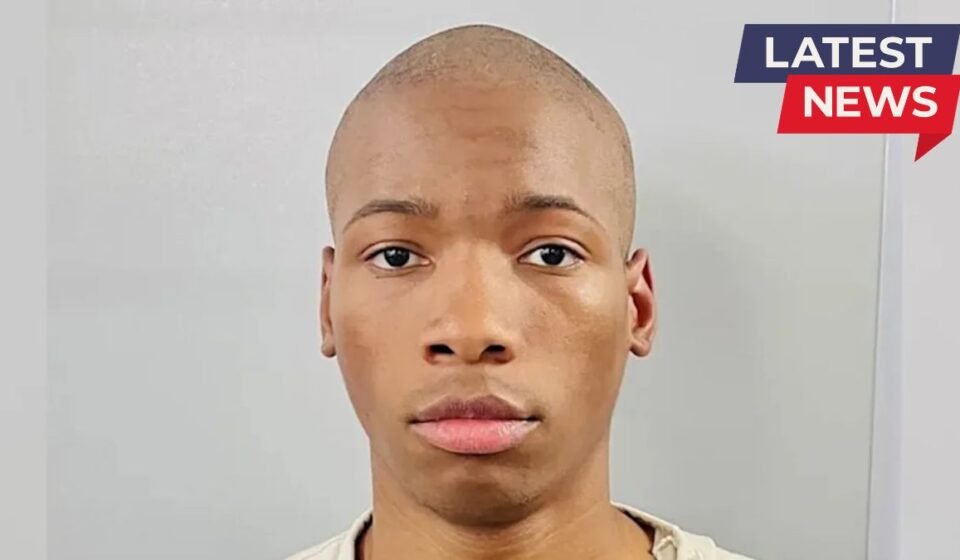

The legal battle surrounding Karmelo Anthony has entered a new phase after his defense team formally requested a new trial following his conviction and 35-year prison sentence for the fatal stabbing of Austin Metcalf. The high-profile Texas case attracted nationwide attention because of the tragic circumstances, competing claims of self-defense, and widespread public debate surrounding the trial.
Anthony’s attorneys argue that significant legal errors occurred during the proceedings and claim those issues deprived him of a fair trial. Prosecutors have not publicly responded to the latest filing, while the conviction remains in effect as the court reviews the defense’s motions.
What Happened in the Austin Metcalf Killing?
The incident occurred on April 2, 2025, during a high school track meet at David Kuykendall Stadium in Frisco, Texas.
According to prosecutors, a confrontation began after Austin Metcalf and others asked Karmelo Anthony to leave a team tent reserved for Memorial High School athletes. The argument quickly escalated before Anthony stabbed Metcalf once in the chest with a knife.
Emergency responders attempted lifesaving measures, but Metcalf died at the scene from the wound. Anthony was arrested shortly afterward and admitted to the stabbing but maintained throughout the case that he acted in self-defense.
Trial Result: 35-Year Prison Sentence
Following a lengthy trial in 2026, a Collin County jury rejected Anthony’s claim of self-defense and found him guilty of murder.
Jurors ultimately sentenced the 19-year-old to 35 years in prison.
During sentencing, prosecutors argued the evidence showed Anthony became the aggressor during the confrontation. Defense attorneys, however, insisted their client reasonably feared for his safety and reacted in self-defense.
The jury sided with prosecutors after reviewing witness testimony, surveillance footage, and forensic evidence presented during the trial.
Why Is Karmelo Anthony Seeking a New Trial?
Shortly after sentencing, Anthony hired a new legal team that filed several post-trial motions asking the court to:
- Grant a completely new trial.
- Remove the trial judge from handling future proceedings.
- Review alleged constitutional violations during the original trial.
The defense argues multiple legal errors unfairly influenced the outcome of the case.
Defense Claims Prosecutors Prevented Anthony From Testifying
One of the defense’s primary arguments centers on Anthony’s decision not to testify.
According to court filings, attorneys claim prosecutors violated an understanding regarding what evidence could be introduced if Anthony took the witness stand.
The new defense team argues that changes made late in the trial discouraged Anthony from testifying in his own defense because doing so could have allowed prosecutors to introduce additional character evidence.
They contend this effectively deprived him of the opportunity to tell his version of events before the jury.
Allegations of Constitutional Violations
Anthony’s attorneys also claim the trial violated several constitutional protections.
Among their allegations are:
- His right to a public trial was restricted because of limits placed on media access.
- The jury received improper instructions concerning Texas self-defense law.
- The trial court committed procedural errors that affected the verdict.
- The judge demonstrated bias during post-trial proceedings.
The defense argues these issues justify overturning the conviction and ordering a new trial.
Motion to Remove the Trial Judge
In addition to requesting a new trial, Anthony’s legal team has asked that the judge who presided over the case be removed from any future proceedings.
The motion argues that comments made after the verdict created an appearance of bias and could undermine confidence in future rulings.
Whether another judge will be assigned remains for the court to decide.
Prosecutors Maintain Justice Was Served
During the trial, prosecutors consistently argued that witness testimony and physical evidence disproved Anthony’s self-defense claim.
They maintained that Metcalf posed no deadly threat that justified the use of lethal force.
Following the conviction, prosecutors stated that justice had been served for Austin Metcalf and his family. As of the filing of the new motions, prosecutors had not publicly responded in detail to the latest allegations raised by the defense.
Public Attention and National Debate
The case received extensive national media coverage and generated significant discussion online.
Several factors contributed to the widespread attention, including:
- Anthony is Black, while Metcalf was White.
- The defense raised concerns about the composition of the jury.
- Demonstrations and public commentary accompanied various stages of the case.
- Social media amplified both factual reporting and misinformation surrounding the incident.
Throughout the proceedings, both legal teams urged the public to focus on the evidence presented in court rather than speculation circulating online.
What Happens Next?
Anthony’s conviction remains valid while the court considers the post-trial motions.
The judge may:
- Deny the request for a new trial.
- Hold hearings to review the defense’s allegations.
- Grant limited relief if procedural errors are found.
- Order a completely new trial if the court determines legal mistakes substantially affected the verdict.
If the motions are denied, Anthony’s attorneys can continue pursuing relief through the Texas appellate court system, a process that could take months or longer.
Impact on Austin Metcalf’s Family
For Austin Metcalf’s family, the filing of new motions means the legal process is not yet over.
The family has continued to mourn the loss of the 17-year-old student-athlete while following the ongoing court proceedings. They have previously expressed hope that the jury’s verdict would bring accountability, even as the appeals process continues.
Conclusion
Karmelo Anthony’s request for a new trial marks the latest chapter in one of Texas’ most closely watched criminal cases. His attorneys argue that constitutional violations, procedural errors, and issues surrounding his ability to testify prevented him from receiving a fair trial. Prosecutors, meanwhile, maintain that the jury reached the correct verdict based on the evidence presented.
The court must now determine whether the defense’s claims warrant a new trial or whether Anthony’s murder conviction and 35-year prison sentence will remain in place while the case moves through the appeals process.