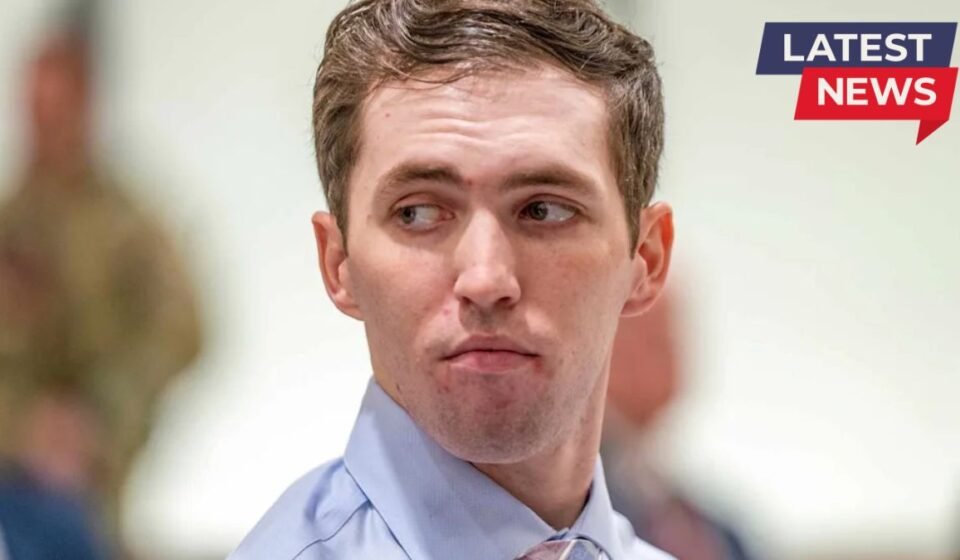

The high-profile murder case surrounding the death of conservative activist and commentator Charlie Kirk took another significant turn this week as a Utah courtroom viewed video footage showing the accused gunman, Tyler Robinson, surrendering to authorities one day after the fatal shooting.
The footage was presented during a preliminary hearing designed to determine whether prosecutors have enough evidence to move forward with a full trial. The hearing has attracted national attention due to the political nature of the case and the seriousness of the charges facing the defendant. Prosecutors are seeking the death penalty if Robinson is ultimately convicted.
Background of the Shooting
Charlie Kirk was fatally shot on September 10, 2025, while speaking at an event on the campus of Utah Valley University. According to investigators, the shooting occurred during a public appearance attended by thousands of people.
Authorities allege that Tyler Robinson carried out the attack from a rooftop position overlooking the event. Surveillance footage and witness testimony have formed a key part of the prosecution’s case. Following the shooting, a large-scale manhunt was launched as law enforcement searched for the suspect.
Video Shows Suspect Surrendering
During the latest court proceedings, prosecutors played footage showing Robinson arriving at a sheriff’s office and surrendering to authorities the day after the shooting.
Investigators testified that Robinson appeared calm during the surrender process. The video reportedly showed him wearing casual clothing similar to what witnesses described around the time of the shooting. Law enforcement officials used the footage to establish the timeline between the shooting and Robinson’s eventual arrest.
The surrender effectively ended the statewide search that had been underway since Kirk’s death.
Prosecutors Present Additional Evidence
The courtroom hearing extended beyond the surrender footage. Prosecutors also introduced evidence they believe links Robinson directly to the crime.
Among the evidence discussed were DNA findings connected to items allegedly associated with the murder weapon. Prosecutors argued that forensic testing supports their claim that Robinson carried out the attack.
Investigators also referenced communications involving Robinson and his roommate, Lance Twiggs. Prosecutors contend that messages and statements made before and after the shooting help establish motive and intent.
Defense Challenges Key Evidence
Robinson’s attorneys strongly challenged several pieces of evidence presented by prosecutors.
The defense questioned the reliability of DNA testing and argued that some witness statements and recorded interviews should not be admitted in court. Lawyers for Robinson claim that releasing certain materials publicly could jeopardize his right to receive a fair trial.
A major point of contention involves a recorded interview with Robinson’s roommate. Defense attorneys argued that portions of the video could unfairly influence public opinion and future jurors.
Judge Limits Parts of Video Evidence
In a notable ruling, District Judge Tony Graf decided that certain portions of the roommate’s recorded interview would be withheld or redacted before being shown publicly.
The judge’s decision attempted to balance transparency with the defendant’s constitutional right to a fair trial. While some sections were removed, prosecutors were still allowed to present portions of the recording during the preliminary hearing.
The ruling sparked debate among attorneys representing both sides.
Charlie Kirk’s Family Attends Hearing
Members of Charlie Kirk’s family, including his widow Erika Kirk, have been present throughout much of the court proceedings.
According to reports, the hearings have been emotionally difficult for the family as they continue to relive the events surrounding Kirk’s death. Family members have expressed gratitude for public support while also calling for transparency in the legal process.
The family’s representatives have opposed efforts to keep significant evidence from public view, arguing that openness is important for maintaining confidence in the judicial system.
Death Penalty Remains Possible
Robinson currently faces aggravated murder and several related charges. Prosecutors have stated they intend to seek the death penalty if the case proceeds to trial and a conviction is secured.
They argue that aggravating factors, including allegations that the attack was politically motivated and carried out in a crowded public setting, justify pursuing the maximum punishment available under Utah law.
Defense attorneys continue to oppose the death penalty and have filed motions challenging aspects of the prosecution’s case.
What Happens Next?
The preliminary hearing will continue as prosecutors present additional witnesses and evidence. At the conclusion of the hearing, Judge Tony Graf will decide whether sufficient evidence exists to move the case forward to trial.
If the judge determines probable cause exists, Robinson will face a full criminal trial where jurors will ultimately decide his guilt or innocence.
The case remains one of the most closely watched criminal proceedings in the United States, with significant legal, political, and public attention focused on the outcome.
Conclusion
The latest hearing provided jurors and the public with a closer look at the hours following the fatal shooting of Charlie Kirk. Video footage showing Tyler Robinson turning himself in has become a key piece of the prosecution’s timeline, while ongoing disputes over DNA evidence, witness statements, and recorded interviews continue to shape the case. As the preliminary hearing progresses, the court’s decisions will determine whether the highly publicized murder case advances to a full trial.