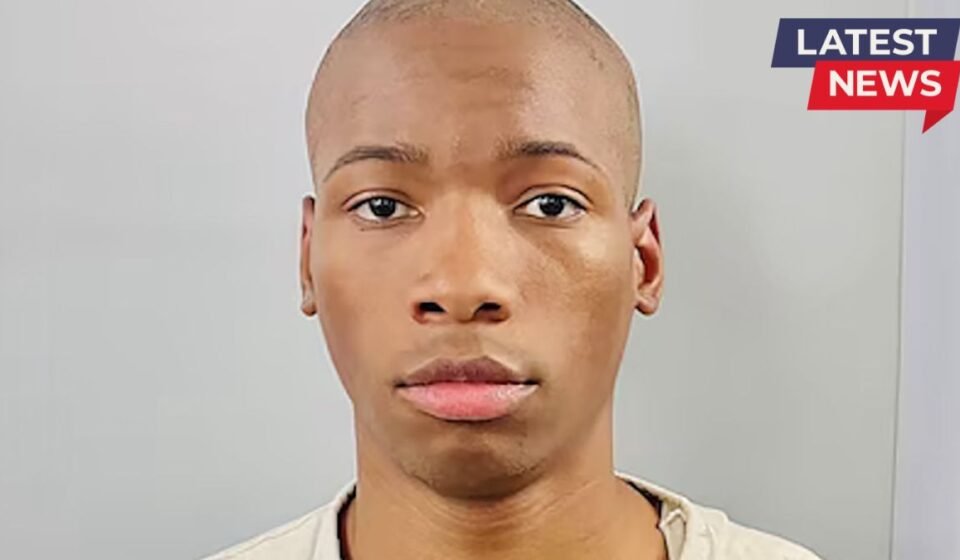
Karmelo Anthony Demands Recusal of Judge Over Interview Endorsing Guilty Verdict as He Seeks New Trial

Karmelo Anthony’s legal team has formally requested that the judge who presided over his murder trial step aside from any future proceedings, arguing that the judge’s public comments after the verdict demonstrated bias and could undermine Anthony’s right to a fair review of his case. The motion comes as Anthony pursues a new trial following his conviction in the fatal stabbing of Texas teenager Austin Metcalf.
Background of the Case
Karmelo Anthony was convicted of murder in June 2026 for the fatal stabbing of 17-year-old Austin Metcalf during a high school track meet in Frisco, Texas. Prosecutors argued that Anthony intentionally stabbed Metcalf during a confrontation, while the defense maintained that Anthony acted in self-defense.
After hearing testimony and reviewing evidence, a jury found Anthony guilty. He was subsequently sentenced to 35 years in prison. Anthony filed a notice of appeal shortly after the conviction and sentencing.
Why Anthony’s Attorneys Want the Judge Removed
The controversy centers on comments made by Judge John Roach after the trial concluded. According to court filings submitted by Anthony’s defense team, Roach participated in a television interview in which he discussed the verdict and expressed approval of the jury’s decision.
Defense attorney Russell Wilson II argued that the judge publicly endorsed the outcome of the trial when asked whether the jury reached the correct decision. According to the motion, the judge responded affirmatively, stating that the jury “got it right.”
The defense contends that such statements create the appearance of bias and raise concerns about whether the judge can remain impartial while ruling on post-trial motions, including Anthony’s request for a new trial.
Additional Claims Raised in the Motion
Anthony’s attorneys cited more than just the television interview. They also referenced comments the judge reportedly provided to media outlets defending his rulings during the trial. According to the defense, those public remarks could be interpreted as the judge taking a personal position on issues that may later be challenged on appeal.
The motion further points to a public thank-you letter the judge allegedly sent after the verdict, arguing that these actions collectively create reasonable questions about judicial neutrality.
Arguments for a New Trial
Alongside the recusal request, Anthony’s legal team is pursuing a new trial based on several alleged legal errors. The defense claims prosecutors improperly influenced Anthony’s decision not to testify and violated understandings regarding the use of character-related evidence during the trial.
The motion also alleges:
- Anthony’s constitutional right to a public trial was compromised due to restrictions on media coverage.
- Jury instructions may have weakened the defense’s self-defense argument.
- Certain procedural decisions unfairly affected the presentation of the defense case.
Defense attorneys argue that these issues collectively justify overturning the conviction and granting Anthony a new trial.
Prosecutors Defend the Verdict
Prosecutors have rejected claims that the trial was unfair. Officials involved in the case maintain that the proceedings followed legal standards and that the jury’s unanimous verdict was based on extensive evidence presented during the trial.
The prosecution has indicated that it intends to formally respond to the defense’s allegations in court filings. Prosecutors have expressed confidence that the conviction will withstand post-trial challenges.
What Happens Next?
The court must first determine whether Judge Roach should remain involved in the case. If the recusal motion is granted, another judge would likely oversee Anthony’s request for a new trial and related proceedings. If the motion is denied, Roach could continue presiding over the case.
At the same time, Anthony’s appeal process remains active. Legal experts note that appeals and post-conviction motions can take months or even years to resolve, depending on the complexity of the issues raised and the court’s schedule.
National Attention on the Case
The case has attracted significant national attention since the fatal confrontation between Anthony and Metcalf in 2025. Public debate has focused on issues including self-defense claims, courtroom procedures, race, media coverage, and the broader criminal justice process.
As Anthony’s legal team seeks both a new trial and the removal of the trial judge, the outcome of these motions could play a major role in determining the next chapter of one of Texas’ most closely watched criminal cases.