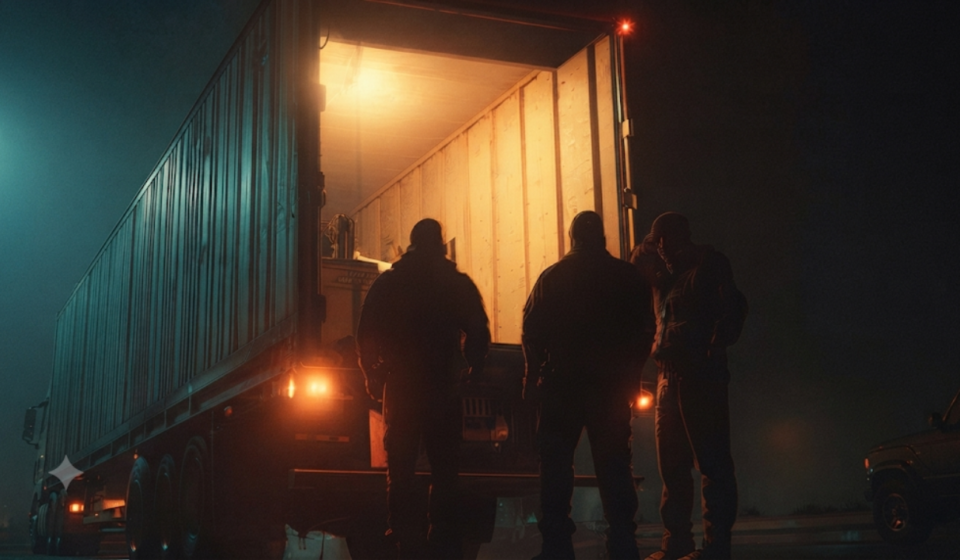

Cargo theft has become one of the fastest-growing crimes affecting the U.S. transportation and supply chain industry, prompting lawmakers and law enforcement agencies across multiple states to strengthen legal penalties and investigative efforts. Organized criminal groups are increasingly targeting trucks, warehouses, freight terminals, and distribution centers, stealing millions of dollars’ worth of goods each year.
In response, several states have introduced or expanded legislation designed to improve cargo theft investigations, increase criminal penalties, and enhance cooperation between state agencies and the trucking industry. Officials say these measures are intended to disrupt organized theft rings that exploit weaknesses in the nation’s freight transportation network.
Cargo Theft Continues to Grow Across the United States
Investigators say modern cargo theft has evolved beyond simple truck hijackings. Organized criminal groups now use sophisticated methods such as identity fraud, fake trucking companies, fraudulent shipping documents, cyber deception, and shipment diversion to steal valuable freight before it reaches its destination.
High-demand products—including electronics, pharmaceuticals, food, household goods, automotive parts, clothing, and consumer merchandise—are frequently targeted because they can be quickly resold through legitimate-looking marketplaces. Criminal organizations often coordinate thefts across several states, making investigations more complex.
Transportation industry officials warn that cargo theft not only causes financial losses for trucking companies and insurers but also disrupts supply chains, delays deliveries, and increases operating costs for businesses and consumers.
Law enforcement agencies have reported that organized cargo theft networks often operate across state boundaries, requiring close cooperation among local, state, and federal investigators.
States Introduce Stronger Laws and Enforcement
Recognizing the growing threat, several state legislatures have adopted or proposed tougher laws specifically targeting cargo theft. These measures generally increase criminal penalties for organized theft operations, expand investigative authority, and improve coordination between prosecutors and law enforcement agencies.
Some states have also established specialized task forces focused on cargo crime, bringing together highway patrol agencies, local police departments, prosecutors, transportation officials, and industry representatives. Officials believe coordinated investigations improve the likelihood of identifying organized criminal enterprises rather than isolated offenders.
New legislative proposals also seek to address fraudulent carrier registrations, stolen freight documentation, and other schemes that have become increasingly common as criminals exploit digital logistics systems.
Authorities hope these legal reforms will deter organized theft while making it easier to prosecute individuals responsible for large-scale cargo crimes.
Industry and Law Enforcement Work Together
Beyond legislative changes, trucking companies and logistics providers are investing in advanced security technologies to protect freight. GPS tracking, electronic cargo monitoring, geofencing, surveillance cameras, driver verification systems, and real-time shipment monitoring are becoming standard tools for preventing theft.
Industry organizations also encourage drivers to verify shipping instructions carefully, avoid leaving loaded trailers unattended for extended periods, and immediately report suspicious activity. Many companies now conduct enhanced background checks and identity verification before releasing valuable shipments.
Law enforcement agencies continue sharing intelligence with transportation companies to identify emerging theft trends and organized criminal tactics. Officials say timely reporting by trucking businesses often provides investigators with crucial leads that help recover stolen cargo.
Experts believe that combining stronger legislation with improved technology and public-private cooperation offers the most effective strategy for reducing cargo theft nationwide.
| Key Information | Details |
|---|---|
| Issue | Rising cargo theft across the United States |
| Primary Targets | Trucks, warehouses, freight terminals, distribution centers |
| Common Stolen Goods | Electronics, pharmaceuticals, food, auto parts, consumer products |
| Criminal Methods | Fraudulent carriers, shipment diversion, fake documents, organized theft |
| Government Response | Stronger state laws and specialized investigations |
| Industry Measures | GPS tracking, cargo monitoring, security verification |
| Agencies Involved | Local, state, and federal law enforcement |
| Current Status | Legislative reforms and enforcement efforts expanding |
The growing sophistication of cargo theft has transformed it into a significant challenge for the U.S. transportation industry and law enforcement agencies. Organized criminal networks continue developing new methods to exploit freight systems, increasing financial losses and disrupting supply chains across the country.
In response, states are adopting stronger criminal laws, expanding investigative resources, and encouraging closer cooperation with the trucking industry. While officials acknowledge that eliminating cargo theft entirely will be difficult, they believe that enhanced enforcement, improved technology, and coordinated investigations will help reduce the impact of this increasingly organized criminal activity.
Frequently Asked Questions:
1. What is cargo theft?
Cargo theft involves the illegal stealing of goods being transported by trucks, trains, warehouses, shipping terminals, or other parts of the supply chain.
2. Why has cargo theft become a growing concern?
Organized criminal groups have adopted sophisticated fraud schemes, digital deception, and coordinated operations that allow them to steal high-value shipments more effectively.
3. What types of products are commonly stolen?
Frequently targeted items include electronics, pharmaceuticals, food products, clothing, automotive parts, household goods, and other consumer merchandise.
4. How are states responding?
Many states are strengthening cargo theft laws, increasing criminal penalties, creating specialized investigative task forces, and improving cooperation with the transportation industry.
5. What can trucking companies do to reduce cargo theft?
Companies can use GPS tracking, electronic cargo monitoring, shipment verification procedures, secure parking practices, employee screening, and rapid reporting of suspicious activity to help protect freight.