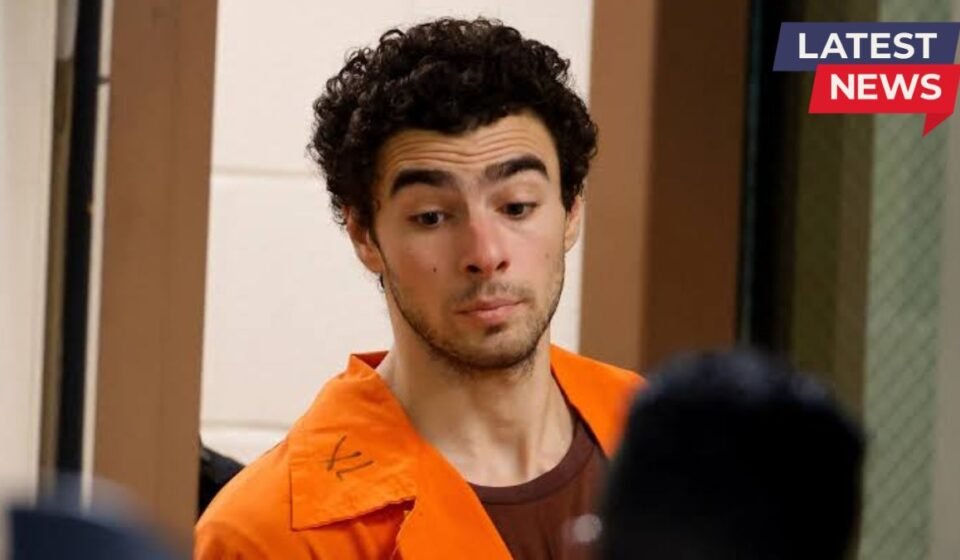

The name Luigi Mangione has continued to surface in unexpected places across the U.S. criminal justice system. In recent months, prosecutors and law enforcement officials have reported that several criminal suspects have referenced Mangione during interrogations, online posts, courtroom statements, or personal writings. While the reasons vary, experts say the trend highlights the growing influence of viral criminal cases in the age of social media.
Mangione, who has pleaded not guilty to charges related to the 2024 killing of UnitedHealthcare CEO Brian Thompson, remains one of the most closely watched criminal defendants in America. His state trial is scheduled before his federal proceedings, which have been moved to January 2027.
Who Is Luigi Mangione?
Luigi Mangione, a former University of Pennsylvania graduate, was arrested in December 2024 after authorities accused him of fatally shooting UnitedHealthcare CEO Brian Thompson in Midtown Manhattan. Prosecutors allege the killing was carefully planned and politically motivated, while Mangione has denied the allegations through his legal team.
Following his arrest, Mangione quickly became a polarizing public figure. While many Americans condemned the alleged killing, others viewed him as a symbol of frustration with the U.S. healthcare system. The case generated millions of social media posts, documentaries, podcasts, and widespread public debate.
Why Are Criminal Suspects Mentioning Mangione?
Legal analysts say there is no single explanation, but several factors may be driving the phenomenon.
Seeking Public Attention
Some suspects appear to mention Mangione simply because they know his name attracts media coverage. High-profile criminal defendants often become reference points in later cases, especially when the original case dominates national headlines.
Experts note that invoking a famous suspect can instantly generate news stories and online discussion, giving otherwise unknown defendants a larger audience.
Internet Culture and Social Media
Mangione’s case spread rapidly across platforms such as X, TikTok, Reddit, and YouTube, where debates extended far beyond the courtroom. Memes, commentary videos, and opinion pieces transformed the case into an internet phenomenon.
Criminologists say repeated exposure can encourage copycat behavior—not necessarily violent acts, but imitation through language, symbolism, or references.
Political and Ideological Messaging
In some investigations, suspects have reportedly referenced Mangione while expressing anti-corporate or anti-establishment views. Authorities stress that every case is different, and mentioning Mangione does not automatically indicate a shared ideology.
Investigators instead evaluate whether such references are meaningful evidence or simply attempts to provoke attention.
Law Enforcement Is Paying Close Attention
Federal and state investigators routinely examine writings, online activity, text messages, and digital footprints when investigating violent crimes.
When suspects invoke well-known criminal defendants, investigators attempt to determine whether:
- The reference reflects genuine ideological influence.
- It indicates admiration or identification.
- It is merely an attempt to shock investigators or attract publicity.
Criminal psychologists caution against assuming every mention has deeper significance.
The “Copycat Effect”
Researchers have long documented what is known as the copycat effect, where extensive publicity surrounding notorious crimes influences later offenders.
According to criminologists, highly publicized cases sometimes inspire others to imitate certain behaviors, adopt similar language, or reference famous defendants—not necessarily by committing identical crimes, but by using recognizable names and narratives.
This pattern has appeared in numerous criminal cases over the past several decades involving infamous offenders.
Public Fascination Has Fueled the Trend
Mangione’s case has remained in the public spotlight for more than a year.
Several factors contributed to the intense attention:
- Extensive surveillance footage released during the investigation.
- A nationwide manhunt.
- Intense online debate over the American healthcare system.
- Supporters who portrayed Mangione as a symbol of broader grievances.
- Continuous courtroom developments covered by national media.
Legal experts warn that intense publicity can unintentionally elevate criminal suspects into cultural symbols, even before their cases are resolved.
His Criminal Case Continues
Mangione continues to deny wrongdoing.
Recent court developments include:
- He has pleaded not guilty to the charges against him.
- His state criminal case is expected to proceed before the federal case.
- A federal judge rescheduled the federal trial for January 2027 to avoid conflicts with the state proceedings.
- His defense team has continued challenging aspects of the prosecution’s evidence.
Because the legal process remains ongoing, no final determination of guilt has been made.
Experts Warn Against Turning Suspects Into Celebrities
Criminal justice scholars increasingly warn that repeated media attention can unintentionally transform suspects into cultural icons.
While most people following these stories have no intention of committing crimes, experts say excessive focus on personalities rather than victims may encourage some individuals seeking notoriety.
Many criminologists argue that responsible reporting should prioritize verified facts, legal proceedings, and the impact on victims rather than sensationalizing defendants.
Conclusion
The growing number of criminal suspects mentioning Luigi Mangione reflects the powerful influence of modern media, internet culture, and highly publicized criminal cases. Whether these references stem from a desire for attention, ideological expression, or imitation, investigators continue to examine each case individually rather than assuming a direct connection.
Meanwhile, Mangione’s own legal battle remains unresolved. As his trials move forward, courts—not public opinion or online discussion—will ultimately determine the outcome of one of the most closely watched criminal cases in recent American history.