
Washington, District of Columbia, United States
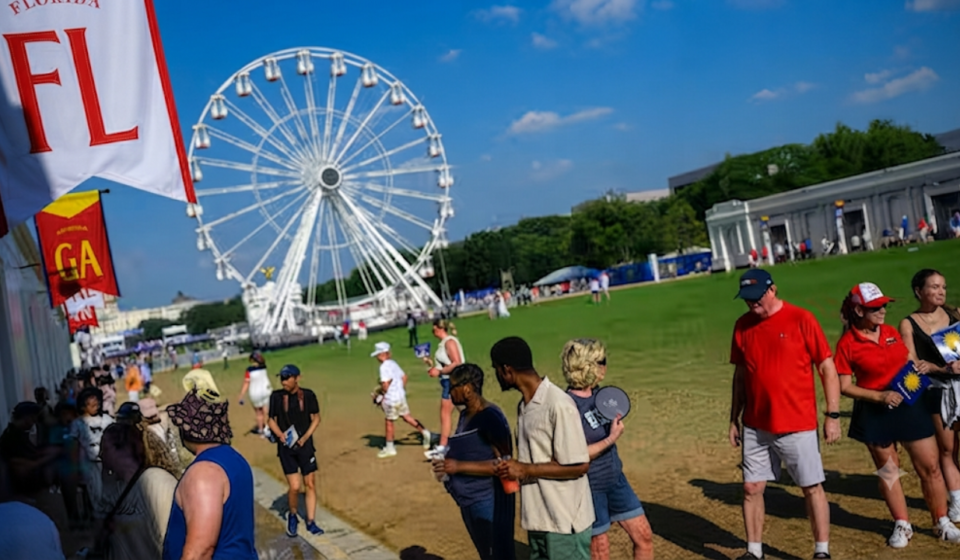
The Great American State Fair in Washington, District of Columbia, was temporarily shut down after extreme heat created potentially dangerous conditions for visitors, staff, vendors, and performers. Event organizers announced the temporary closure as temperatures climbed to hazardous levels, saying the decision was made to protect public health and ensure the safety of everyone attending the popular event. The heat-related disruption affected scheduled activities and prompted officials to closely monitor weather conditions before allowing the fair to reopen.
The temporary shutdown reflects the growing challenges that extreme weather presents for large outdoor gatherings across the United States. Emergency personnel, medical teams, and event organizers worked together throughout the day to monitor attendees, provide medical assistance where necessary, and implement heat safety measures. Officials urged visitors to stay hydrated, seek shade, and follow public health recommendations while waiting for conditions to improve.
Dangerous Heat Prompted Temporary Closure
Fair organizers decided to suspend operations after weather conditions reached levels considered unsafe for prolonged outdoor activities. High temperatures, combined with intense sunlight and elevated humidity, increased the risk of heat-related illnesses such as heat exhaustion and heat stroke. Officials explained that large crowds, extended exposure to direct sunlight, and physically demanding activities could place visitors at greater risk during extreme weather events.
The temporary closure allowed organizers to evaluate conditions while emergency responders remained available to assist anyone experiencing heat-related medical issues. Staff directed visitors toward shaded areas, cooling stations, and locations where drinking water was available before asking attendees to leave the fairgrounds in an orderly manner. Organizers stated that the suspension was intended as a precautionary measure until weather conditions became safer for public gatherings.
Public Safety Measures During the Heat Emergency
Throughout the event, organizers coordinated with emergency medical personnel and local authorities to implement comprehensive heat safety measures. Medical teams remained stationed throughout the fairgrounds to respond quickly to reports of dehydration, dizziness, or other symptoms associated with excessive heat exposure. Additional announcements reminded attendees to drink water regularly, wear lightweight clothing, and avoid strenuous physical activity during the hottest part of the day.
Cooling areas, shaded rest locations, and hydration stations were made available to help reduce the risk of heat-related illnesses. Officials emphasized that children, older adults, pregnant individuals, and people with chronic medical conditions are particularly vulnerable during periods of extreme heat. Event staff continuously monitored weather forecasts and temperature readings before determining whether it was safe to resume normal operations.
Extreme Weather Continues to Affect Outdoor Events
The temporary closure of the Great American State Fair highlights how increasingly frequent periods of extreme heat are affecting outdoor festivals, sporting events, concerts, and public gatherings. Event organizers across the country have adopted emergency weather plans that allow schedules to be modified or activities suspended whenever conditions threaten public safety. These plans often include coordination with emergency management agencies, weather services, healthcare providers, and local law enforcement.
Public health officials continue encouraging residents and visitors to take heat warnings seriously by limiting outdoor activity during peak afternoon temperatures, remaining hydrated, and recognizing the symptoms of heat-related illnesses. Experts note that prompt medical attention is essential if someone develops signs of heat stroke, which can become life-threatening without immediate treatment. Organizers said visitor safety will continue to guide operational decisions throughout the remainder of the fair.
Event Summary
| Category | Details |
|---|---|
| Event | Great American State Fair |
| Location | Washington, District of Columbia, United States |
| Incident | Temporary closure due to extreme heat |
| Reason | Dangerous temperatures and public safety concerns |
| Affected Individuals | Visitors, staff, vendors, performers |
| Safety Measures | Cooling stations, hydration, medical assistance, weather monitoring |
| Emergency Response | Medical personnel and event officials on site |
| Public Advice | Stay hydrated, seek shade, monitor heat symptoms |
| Event Status | Temporarily suspended during extreme heat |
| Primary Goal | Protect public health and safety |
The temporary shutdown of the Great American State Fair in Washington, DC, demonstrates how extreme weather conditions can significantly affect large public events. Faced with dangerously high temperatures, organizers prioritized the health and safety of attendees by suspending activities until conditions improved. The decision reflects the increasing importance of emergency planning as outdoor events face greater weather-related challenges during the summer months.
As temperatures continue to rise across many parts of the country, public officials encourage residents to remain informed about heat advisories and take appropriate precautions when attending outdoor events. The fair’s temporary closure serves as a reminder that proactive safety measures, including hydration, access to cooling areas, and close coordination with emergency services, play a critical role in protecting communities during periods of extreme heat.
Frequently Asked Questions:
1. Where did the temporary closure occur?
The Great American State Fair was temporarily closed in Washington, District of Columbia, United States.
2. Why was the fair temporarily shut down?
Organizers suspended operations because extreme heat created potentially unsafe conditions for visitors, staff, vendors, and performers.
3. What safety measures were implemented?
Officials provided cooling stations, drinking water, shaded rest areas, medical support, and regular public safety announcements.
4. Who is most at risk during extreme heat?
Children, older adults, pregnant individuals, and people with certain medical conditions are generally at greater risk of heat-related illnesses.
5. Will the fair reopen?
Organizers indicated that operations would resume once weather conditions were determined to be safe and consistent with public health and safety guidelines.